Yogyakarta Part III
Slow and santai during the final days in Jogja
5/12/20263 min read
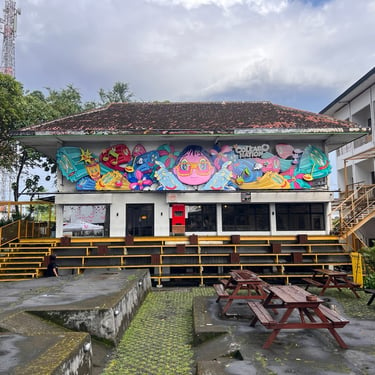
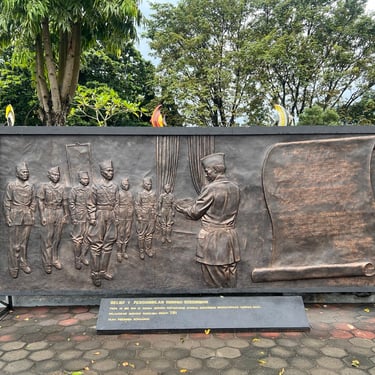
Yeah, finally it was the fifth day of our holiday, and we were free from the tight schedule. We began the days with easy-going and flexible activities, covering a visit to Indonesia Institute of the Institut Seni Indonesia (ISI) Yogyakarta, Musium Seni Nasional Jogja, and Monumen Jogja Kembali.
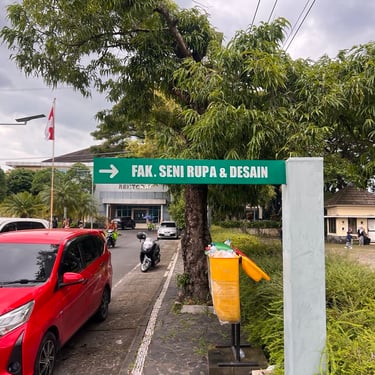
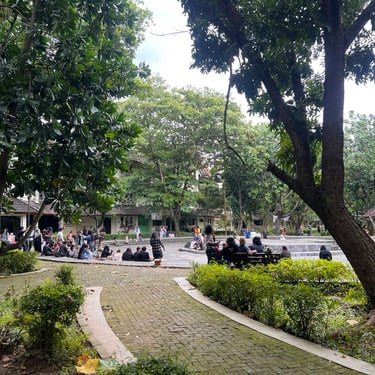
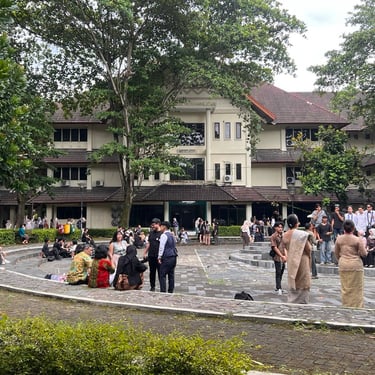
We were lucky to attend a graduation at ISI although we have no purpose and friend hahaha sesat. The university was beautiful with art that unites religions and culture, graduation robes, and smiles among the students and families.
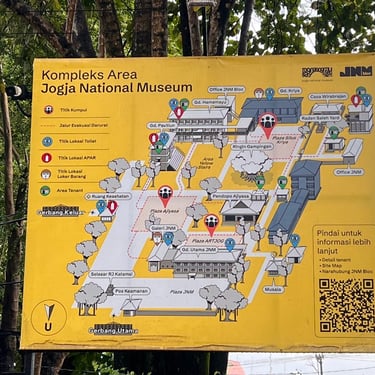
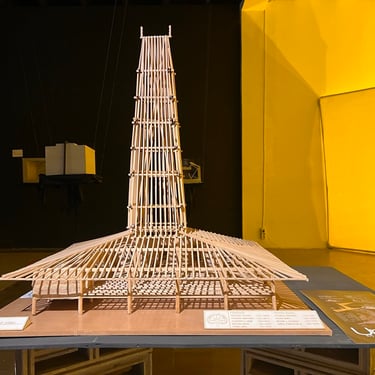
The luckiness also extended to the national musuem as we were able to participate in architectural exhibition organised by architecture bachelor students at Jogja National Museum. Their designs truly reflect the sense of genius loci, and very regionalist. Of all presentation boards, I was caught by a Javanese phrase that carries a profound meaning when you fully embed. The phrase is “Aja rumangsa bisa, nanging bisa rumangsa” or “Jangan merasa tidak bisa, namun bisa merasa.” This implies that if we do not feel like we are capable, don’t be arrogant, but be someone who can feel and emphatic toward others.” The other interpretation is that it encourages self-confidence without losing sensitivity and empathy.
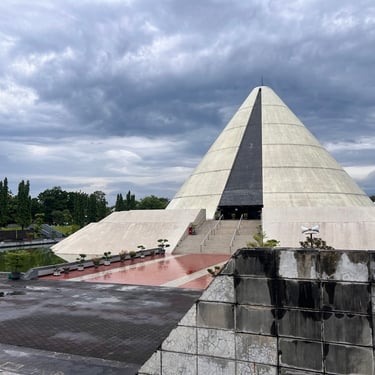
The evening rain fell softly in a romantic way. We decided to go to Monumen Jogja Kembali, but the museum was closed. The architecture is quite exceptional, but the landscape felt visually inharmonious. As the rain grew heavier, we rushed to a restaurant to prepare for iftar. We tried a local dish with rice and fried chicken. As usual, food in Yogyakarta is either spicy or sweet.
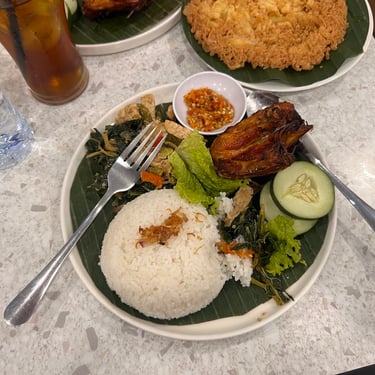
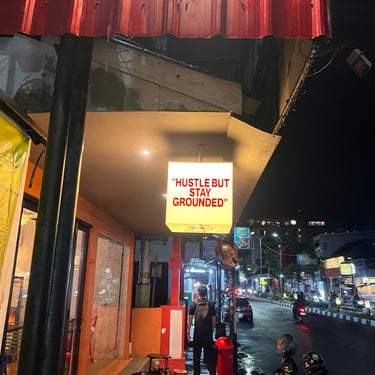
Next to the restaurant, there was a sports retail store selling local brands. We intended to give our eyes a rest, but ended up making spontaneous purchases. We bought two pairs of running shoes, brands from Ortus and Specs, with very low-cost prices.
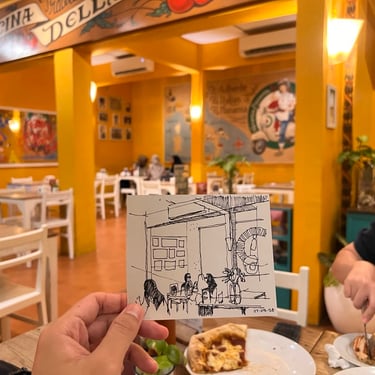
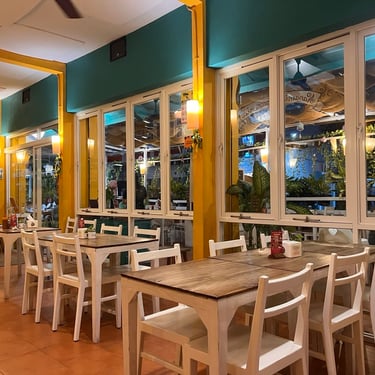
I was craving pizza, so we went to Nanamia Pizzeria in Caturtunggal. There were some youngsters, and Westerns, and the restaurant was bright with colours. The pizza was appetising, and I did a sketch on a tissue depicting a scene of girls conversing about something. After that, we went straight back to the hotel and slept.
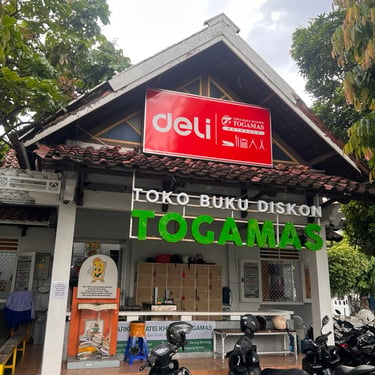
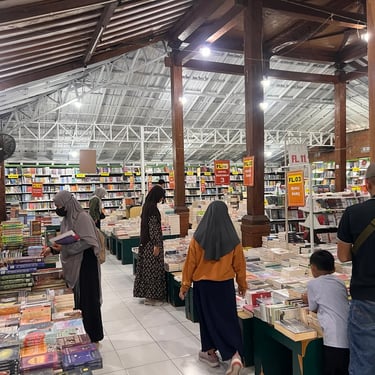
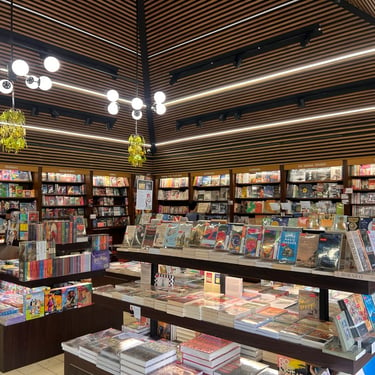
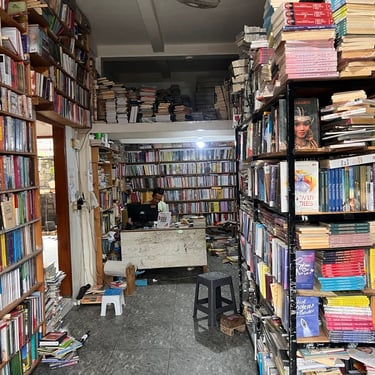
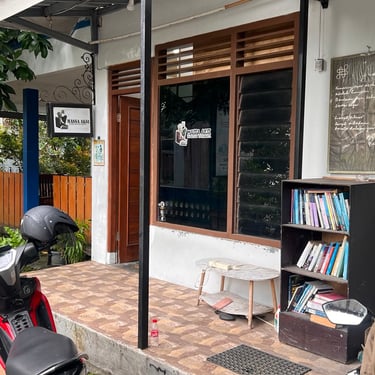
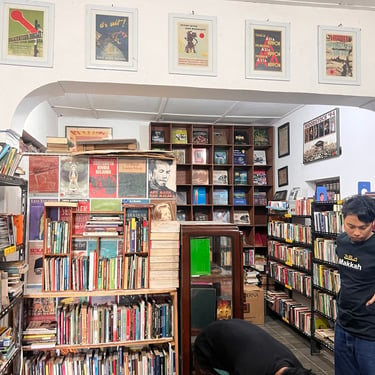
The next days, we spent time hunting for books. Some local bookstores we visited were Togamas Kotabaru, Periplus near Kotagede, Obral Buku Jogja, and Massa Aksi. Most of the books were in the Indonesian language and covered many genres, but primarily focused on politics and social science. The prices were much economical compared to Malaysia. However, books at Periplus are a bit expensive.
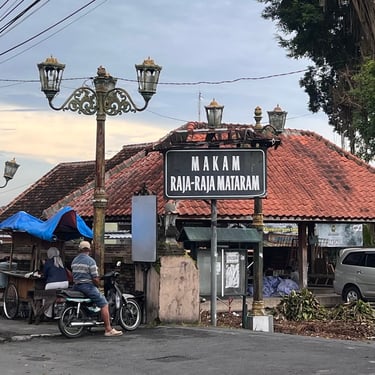
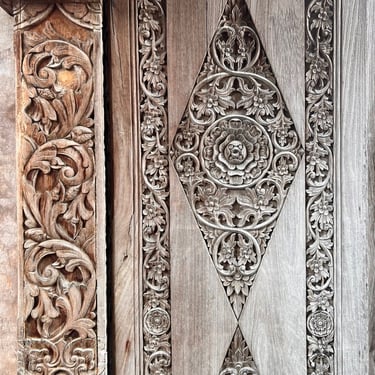
We also went sightseeing in Kotagede, one of the oldest districts in Yogyakarta and once the capital of the Mataram Sultanate in the 16th century. Today, it is known for its historical atmosphere, traditional Javanese culture, and famous silver craftsmanship. Kota Gede also featured beautifully crafted gateways, wood-carved furniture, and decorative walls. It is surrounded by clusters of rumah kampung linked by narrow alleys. Although the kampung was traditional and rustic, the villagers maintained cleanliness throughout the area, and there were no additional buildings that disrupted the genius loci of Kotagede.
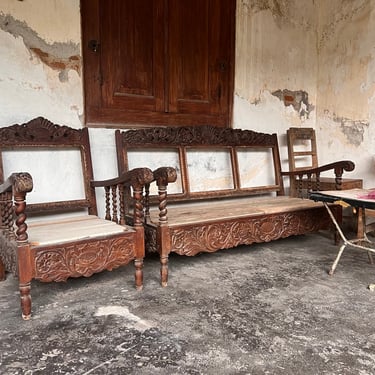
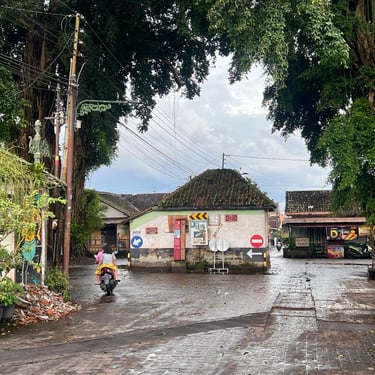
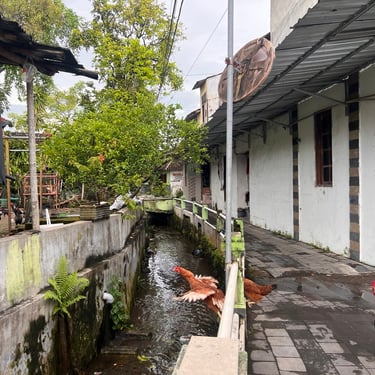
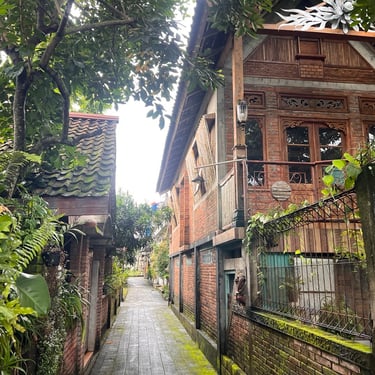
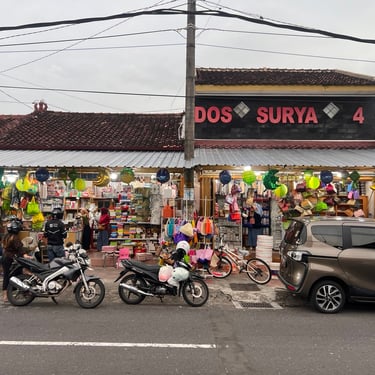
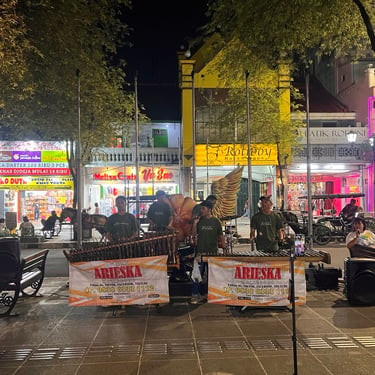
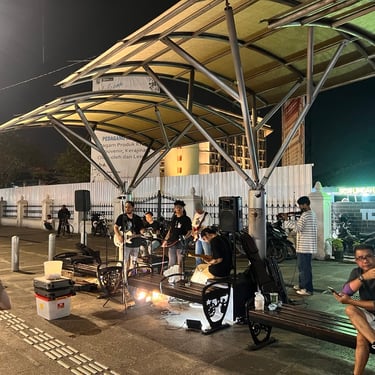
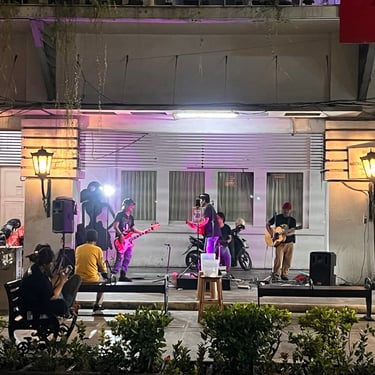
To make sure we had a memorable trip to Jogja, we spent most of our final days visiting the Kraton Yogyakarta area and Malioboro Street, taking part in local activities, supporting small businesses, visiting batik museums and stores, buying souvenirs, visiting more mosques and surau, enjoying street busking performances, and jogging around the city.
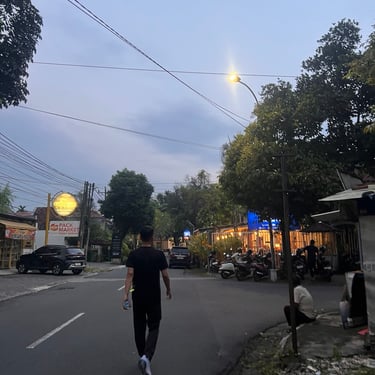
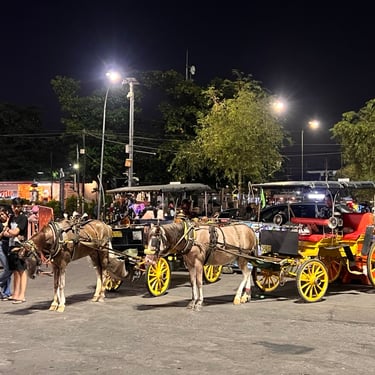
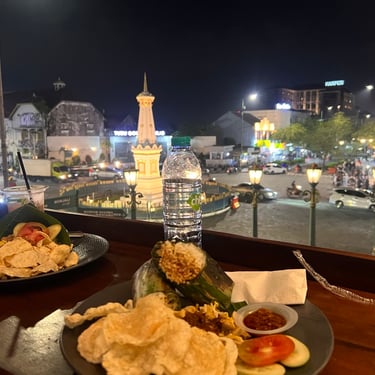
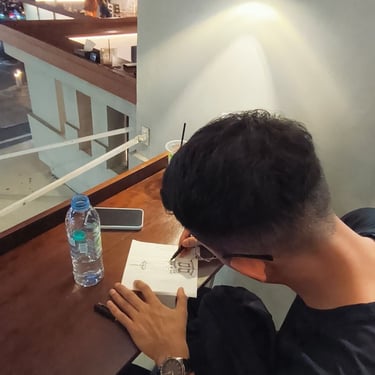
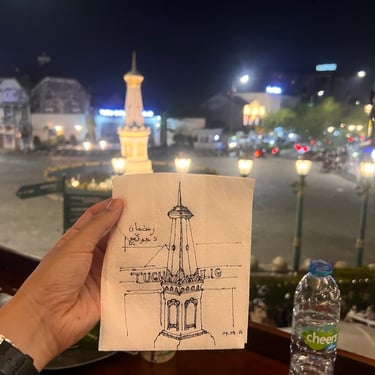
Before the final day, we spent our last night walking around Tugu Yogyakarta. We dined in at a restaurant just next to the Tugu, Kebon Ndalem Coffee & Eatery, sitting on the second floor while sketching the monument. The feeling of longing for the city became even stronger, as the city had given us so many unforgettable memories. I simply watched the people moving around the Tugu on their bicycles, in cars, and on foot. It was hard for us to leave the city, but we had to.
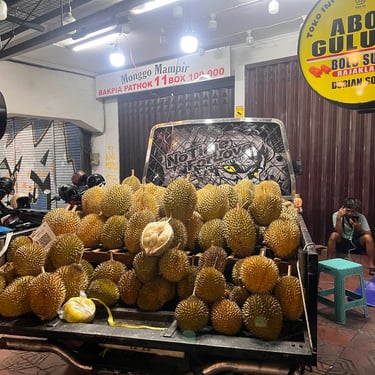
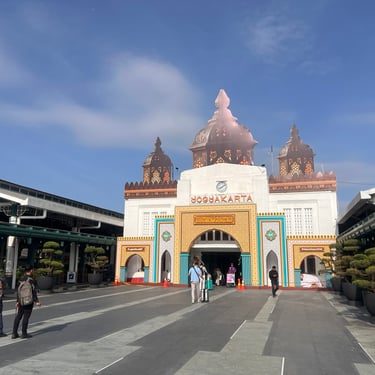
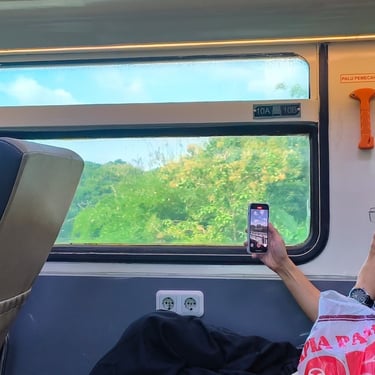
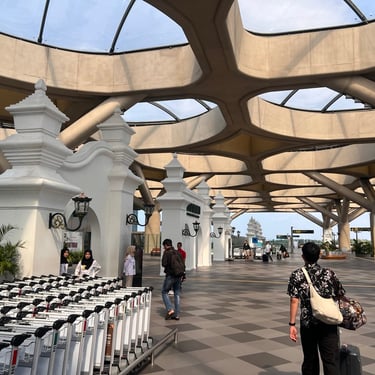
After that, we bought durian, took a short night walk, and returned to the hotel. We packed our belongings and decluttered some items before leaving. We had our last sahur in Jogja and, an hour later, took a train to the airport. There was nothing else to feel except hope that we would revisit the city someday. See you again, beautiful city of Jogja.
There was nothing else to feel except hope that we would revisit the city someday. See you again, beautiful city of Jogja.
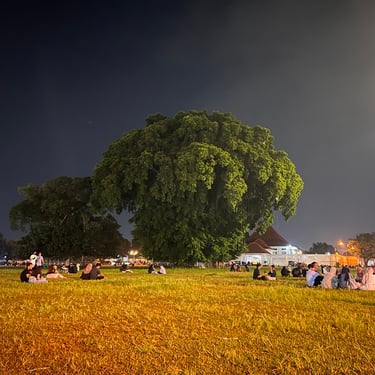
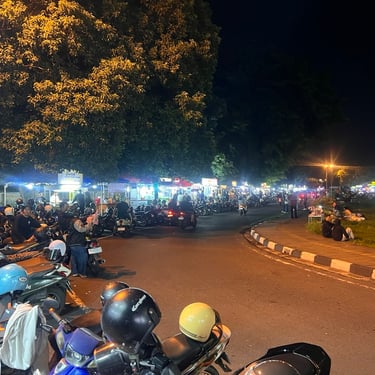
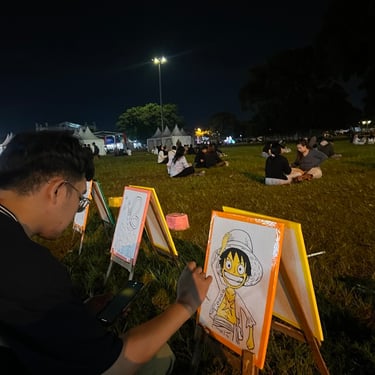
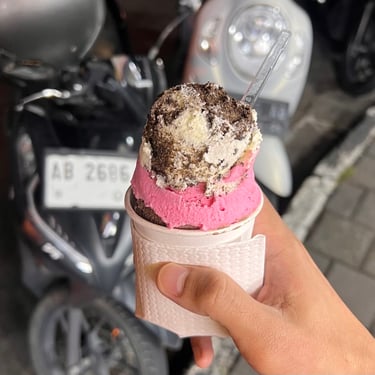
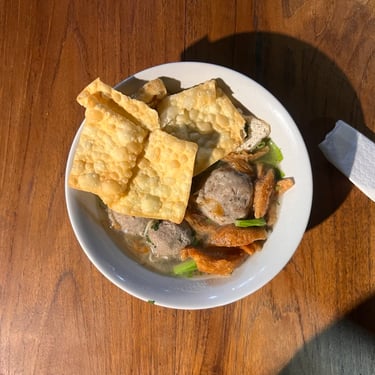
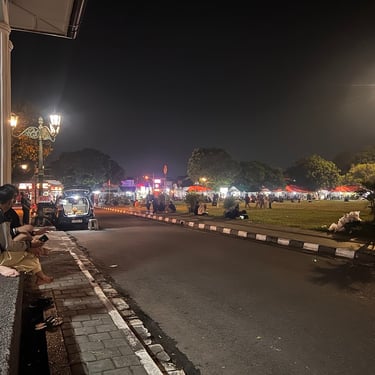
One night, we joined the weekly night market at Alun-Alun Selatan. We were surprised to see so many residents gathering at the field, with children playing with toys, some colouring drawings, while others sat along the roadside enjoying local foods. Ricky did a One Piece watercolour painting, and he coloured it very well. Some foods we tried that night were bakso, coffee, ice cream, and burgers. The night felt deeply touching in its humbleness and simplicity.
© 2026. sentuhanzulkarnaen. All rights reserved.