Yogyakarta Part I
The first two days in Jogja with great impression
5/11/20267 min read
Assalamualaikum semua. Finally, I have got the time to update my blog about the trip to Yogjakarta, or often called as Jogja. I travelled to this cultural city with my roommate and schoolmate from Victoria Institution, Ricky. In the mid of Ramadan, we spent eight days in Jogjakarta, from 03rd March 2026 until 10th March 2026. The trip was truly memorable and quite long, so I think it is better for me to divide this story into four parts: the beginning, the middle, the end, adn the summary.
The idea behind this trip came after I was inspired by a book discussing Malay gardens in Nusantara. Gardens in Jogjakarta seemed to possess rich cultural and heritage values that I wanted to experience for myself. Another reason was my curiosity about how the Muslim community there celebrated Ramadan.
Yogyakarta has a one-hour time difference compared to Kuala Lumpur. Fajr begins at 4.30am, Zuhur at 11.50am, Asar at 2.57pm, Maghrib at 5.59pm, and Isyak at 7.02pm. Every day, we woke up at 3.30am for sahur, and our daily activities usually began at 6am.
On 3rd March 2026, we landed at Yogyakarta Kulon Progo International Airport at close 1 pm. We stopped at the nearest mosque for Zohor, and without wasting much time, we immediately took a train that lasted around 45 minutes to Malioboro Train Station. Along the journey, we were welcomed by eye-catching scenery of hills, mosques, paddy fields, and kampung houses, most of which were built from timber. Those views perfectly reflected the identity of Yogyakarta itself, which is so inferior, beautiful, and rustic.
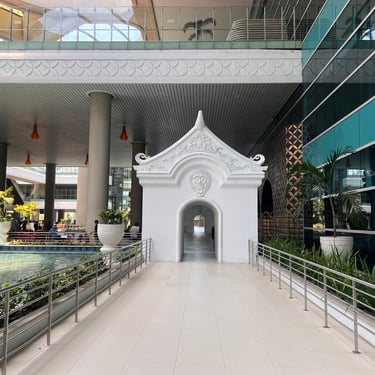
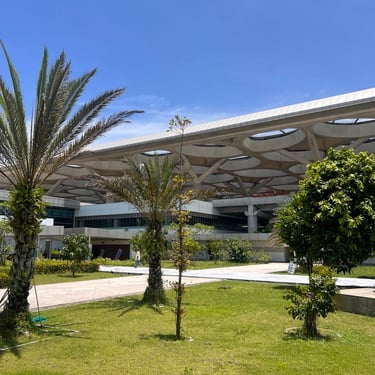
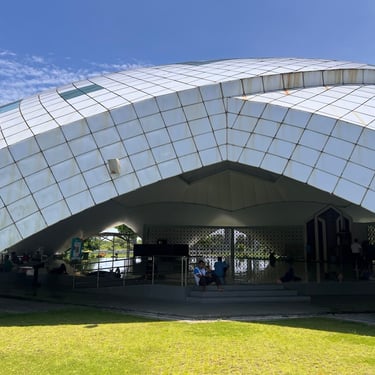
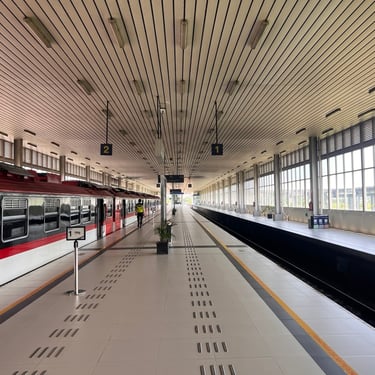
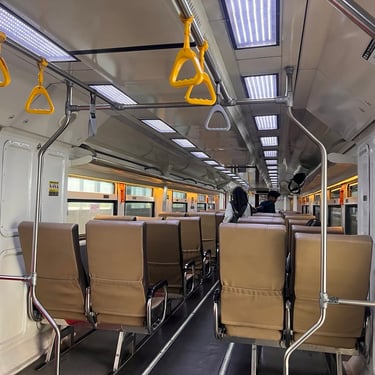
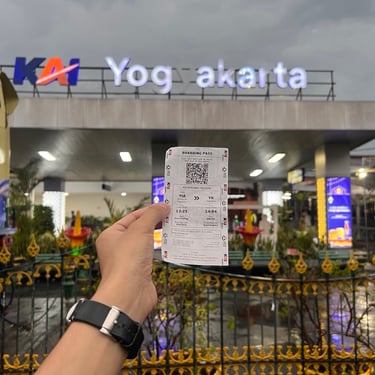
We arrived at the train station at around 3pm and reached our hotel approximately 30 minutes later. Throughout our stay, most of our transportation around the city relied on Grab cars.
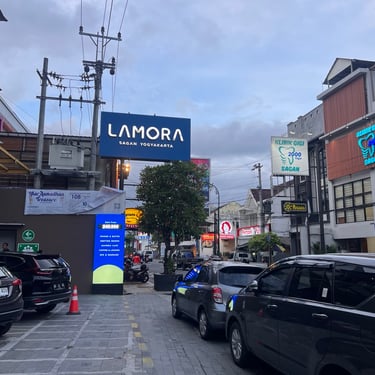
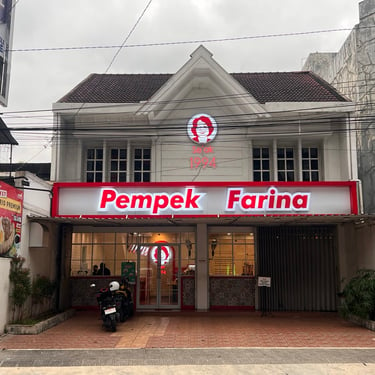
Our hotel was located at Jalan Sagan and surrounded by a Pempek restaurant, an Indomaret, and even a Mexican restaurant. After checking in, we took a short one-hour nap before deciding to gallivant around the area nearby. By 5pm, we headed to Malioboro Street to explore the shops, streets, local people, and the lively atmosphere so that we could become more familiar with the city.
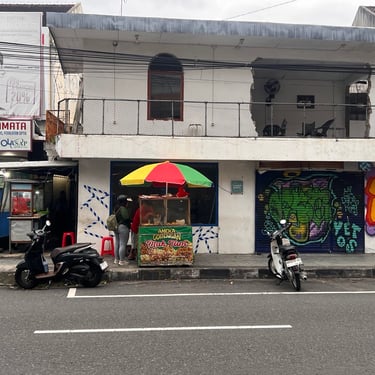
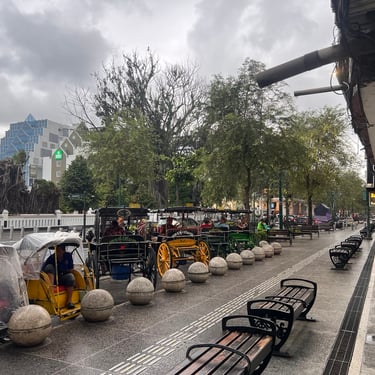
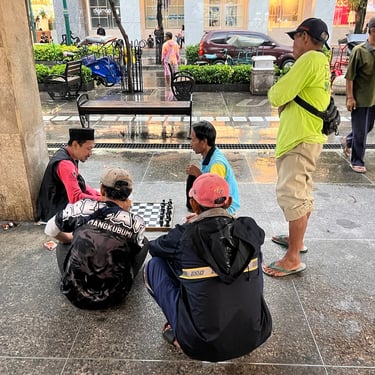
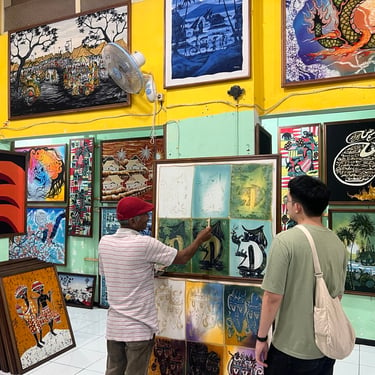
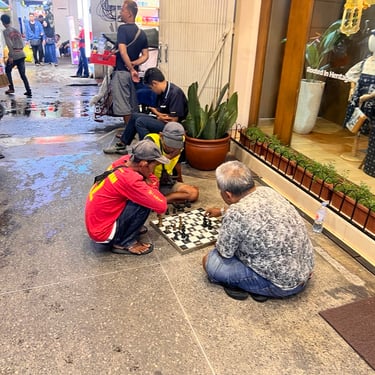
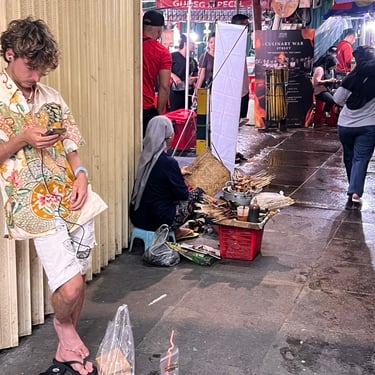
Malioboro Street felt truly enchanting. Horse-drawn carriages moved along the road, locals casually played chess by the shop lots, hawkers busily fried food by the roadside, and men gathered while smoking and chatting. Coincidentally, there was also a batik art exhibition taking place on its final day, so we managed to visit a few local art produced by talented and unsung artists. The street had its own unique charm, it was chaotic yet alive. It felt very “wild” in the funniest and most exciting way possible.
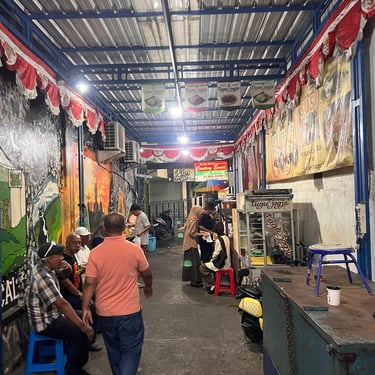
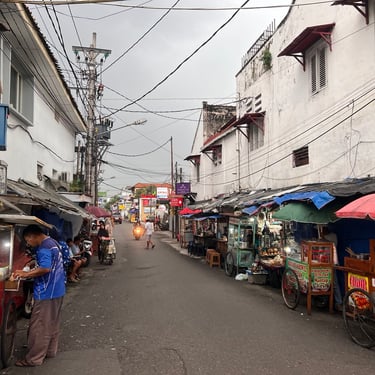
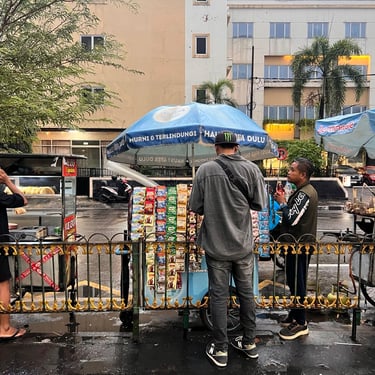
As Maghrib approached, we struggled to find a proper dining place for iftar even though the city was filled with warung. I noticed that most warung were usually attended by working adults, while cafes attracted students who preferred a more modern vibe. After wandering around for quite some time, we finally broke our fast at Ayam Bakar Kuah Tugu near Kota Tugu. By then, both of us were extremely hungry and thirsty, and we both ordered ayam bakar.
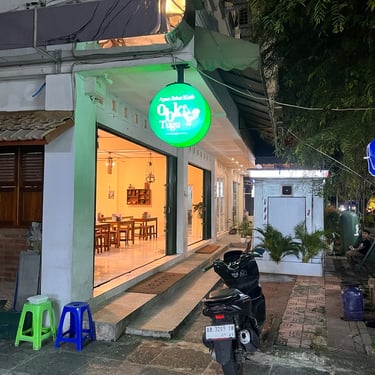
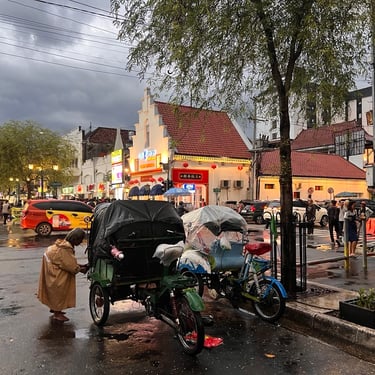
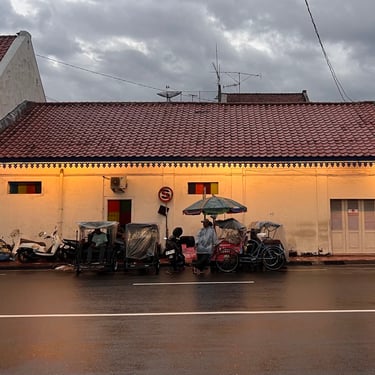
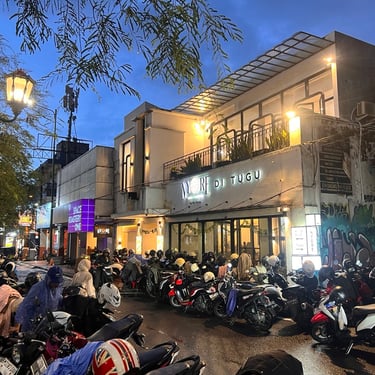
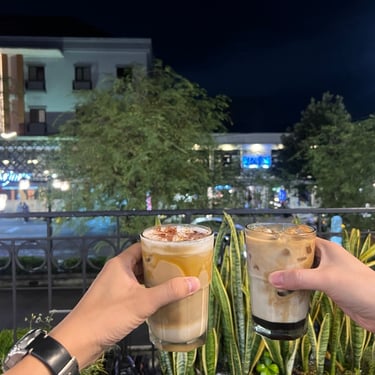
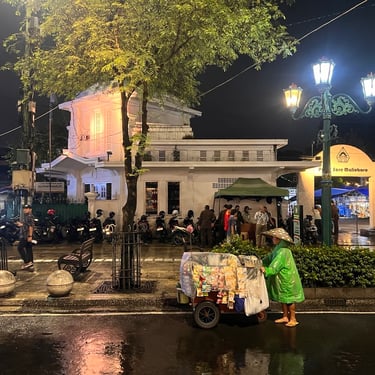
After an hour and a half, we moved to another cafe located just in front of the restaurant, called Nyore Di Tugu, for a coffee break before heading back to the hotel. We sat at the cafe balcony while enjoying the night view of the city. Many teenagers were busy taking group photos, scooters and helmets filled the roadside outside the cafe, while cars and rickshaws continuously moved along the streets. At the same time, we tweaked our itinerary for the rest of the trip to ensure seamless mobility throughout our journey. Of course, we also had one of those short “man-to-man” conversations, the kind that suddenly becomes deep and meaningful after a long day of travelling fuhhhhhh.
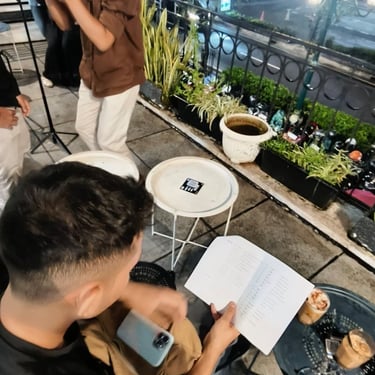
Although we were already jaded from the airplane, the excitement to discover more attractions in the city kept us energised. One thing I quickly noticed about Jogja was how alive the city felt at night. Warung, roadside stalls, and hawkers selling street food such as satay, bakso, soto, keropok, bakpia, as well as instant coffee and tea, could easily be found almost everywhere within the city centre.
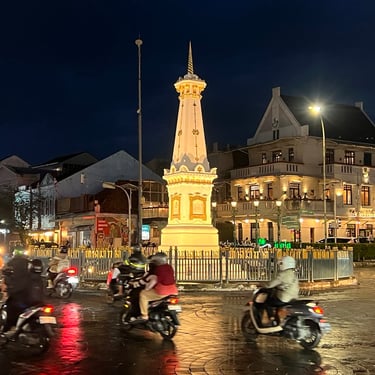
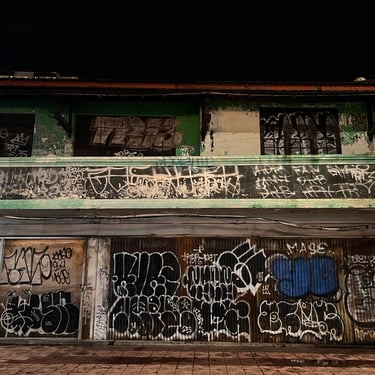
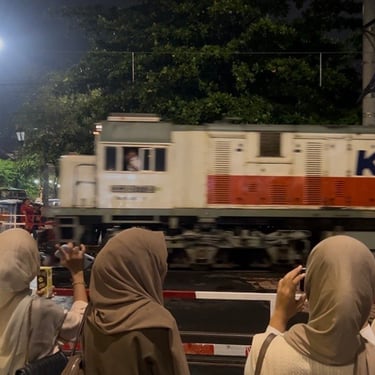
After spending some time there, we finally returned to the hotel. The first night in Jogja felt calm, simple, and enjoyable, just enough to leave a beautiful first impression of this charming cultural city.
While we was waiting for a museum to open, we began the second day by visiting Pasar Ngasem, a popular place for breakfast. Since it was Ramadan, the area was quite quiet, with only a few locals around.
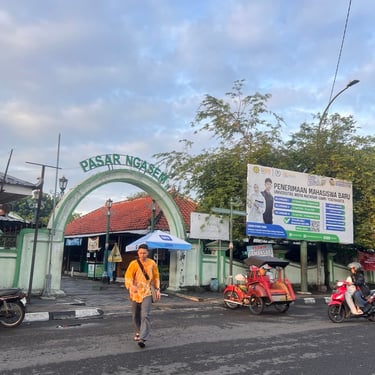
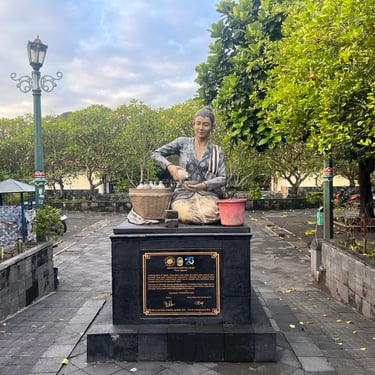
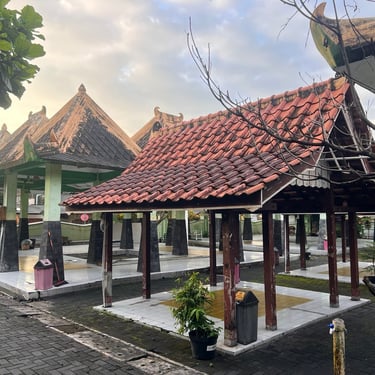
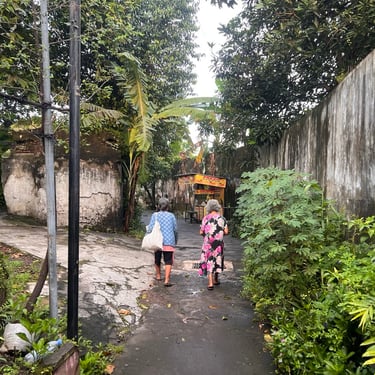
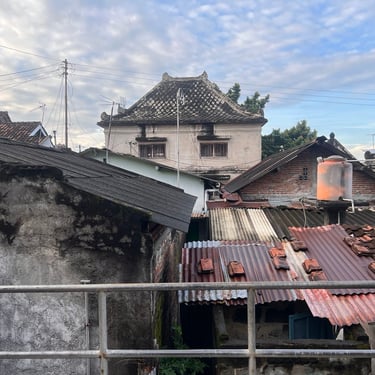
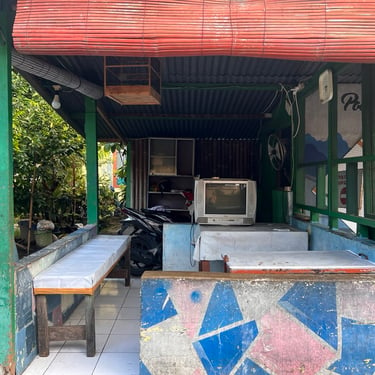
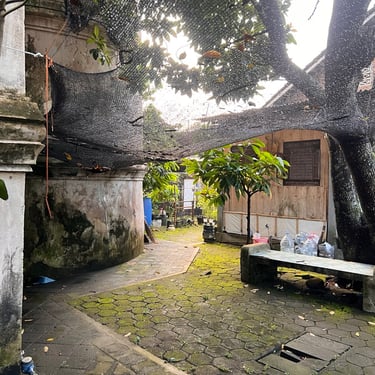
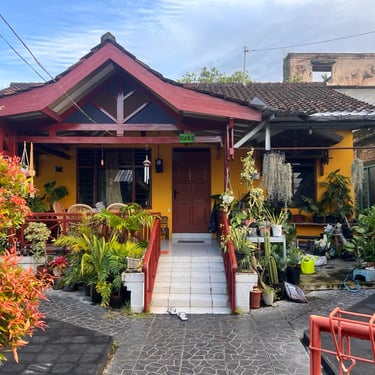
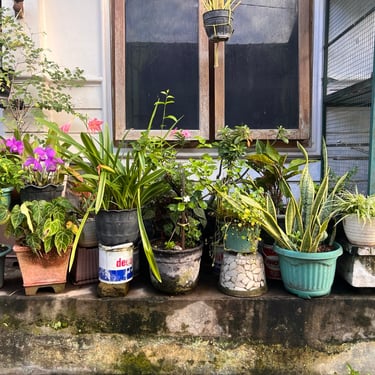
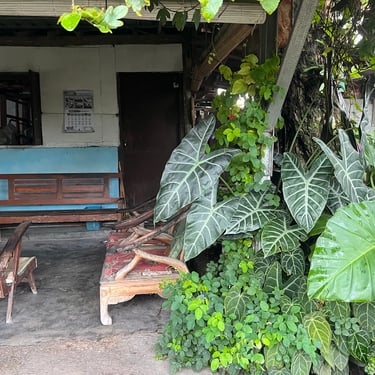
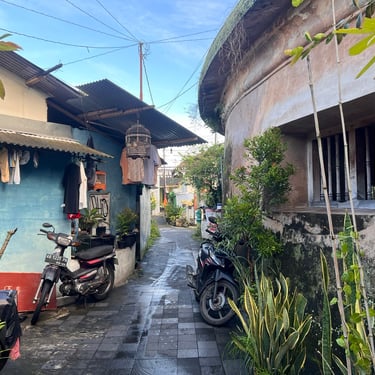
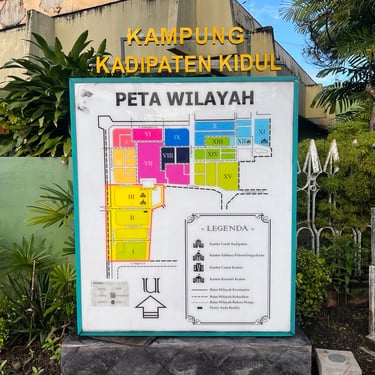
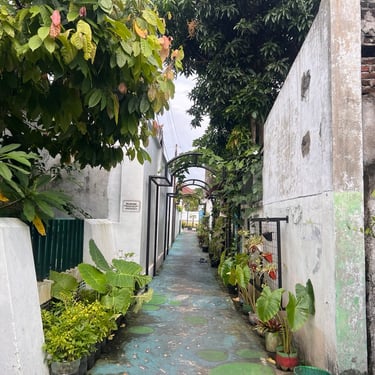
The market was set against the backdrop of the Keraton area, surrounded by royal settlements and the homes of royal servants. The residential quarters felt calm and organic, connected by narrow paths and steps. As we moved forward, it almost felt as though we were walking above the rooftops. The surroundings were neat and vibrant, enlivened by colourful outdoor plants.
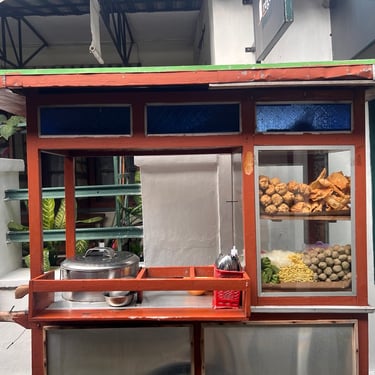
We saw children going to school, bikers heading to work, some people smoking, and others simply wandering around aimlessly. We simply strolled along the streets, looking for anything that could capture our interest. The streets felt very informal and artistic. The roadside stalls, stranded cars, moving bikers, beca, and even the old forts, blended together harmoniously to create the city’s unique charm.
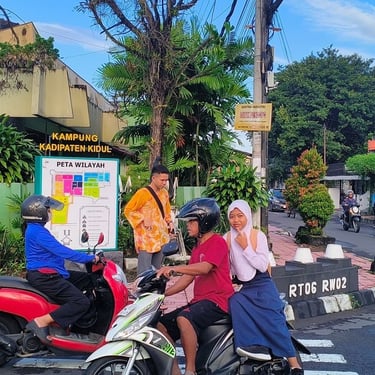
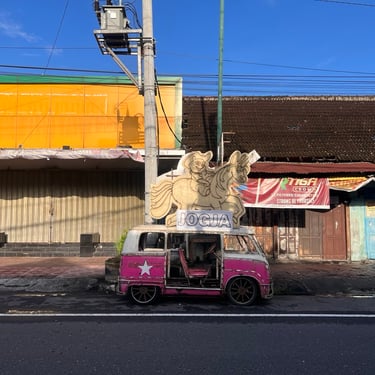
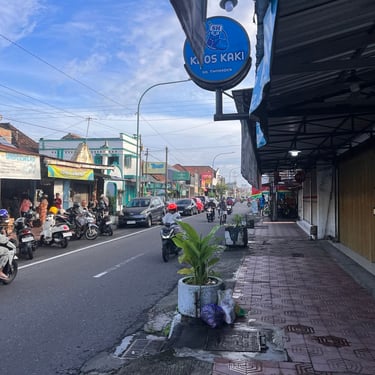
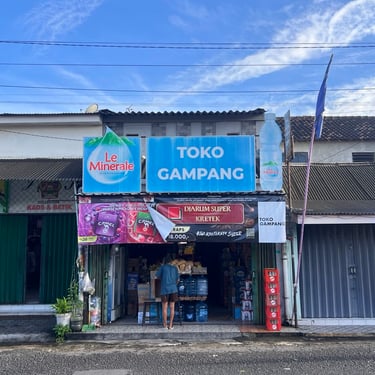
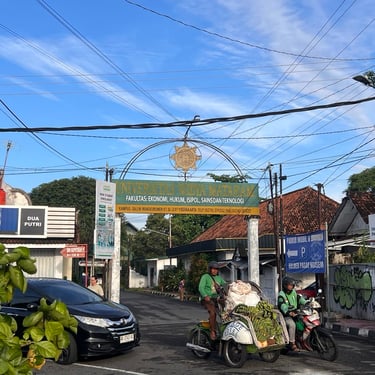
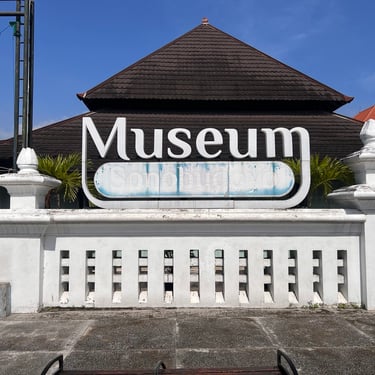
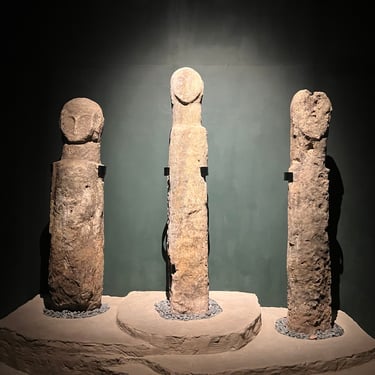
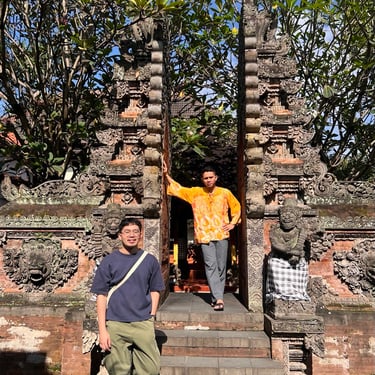
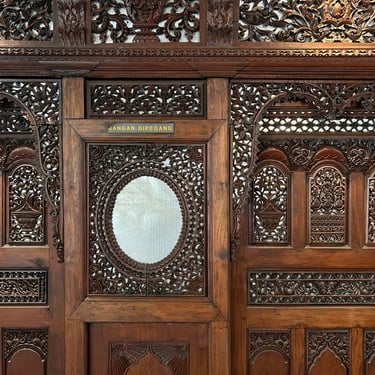
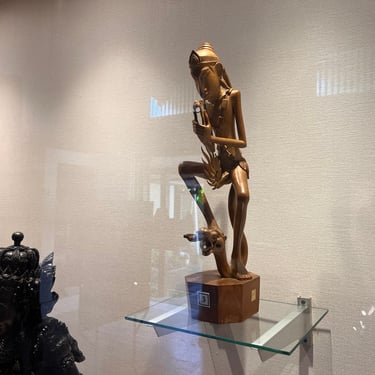
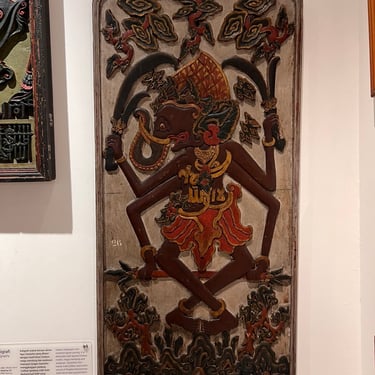
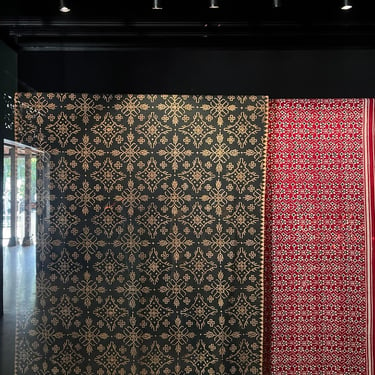
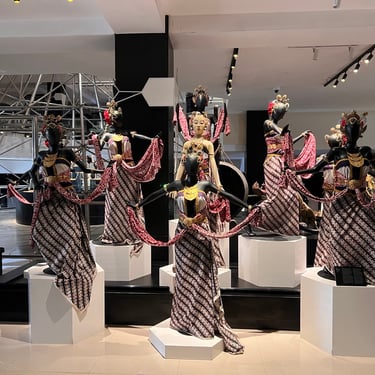
We passed through Alun-Alun Utara before heading towards the Sonobudaya Museum, “Sono” refers to a place, while “Budaya” means culture. The museum briefly showcased and explained the cultural history of Yogyakarta and Jawa, covering the traditional arts, crafts, materials, architectural miniatures, keris, wood carvings, sculptures, and even a replicated Balinese archway. Similar to Malaysia, their historical roots are initiated with animism, Buddhism, Hinduism, and Islam. However, the influence of Hinduism remains strongly embedded within Jogja’s culture, with the adaptation to suit the local context and ways of life. Among the exhibited objects were a mosque with an atap tumpang, whose layered roof symbolises the relationship between mankind, the universe, and God, traditional garments and fashion, copies of the Al-Quran, and animistic stones.
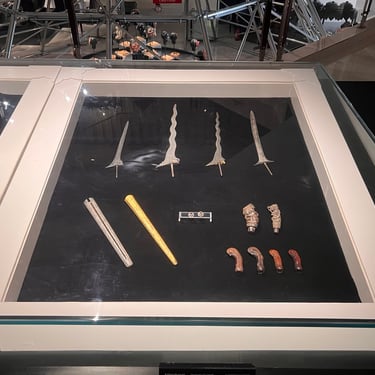
I was particularly fascinated by the philosophy behind the positioning of the keris. A keris worn at the right back symbolises solemnisation or ceremonial occasions, while one placed at the left back represents death. Wearing it upright is associated with the palace, while positioning it at the front right is linked to religious figures or ulama. Meanwhile, soldiers who were ready for battle wore the keris in the middle position.
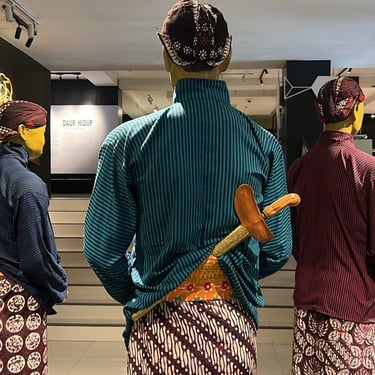
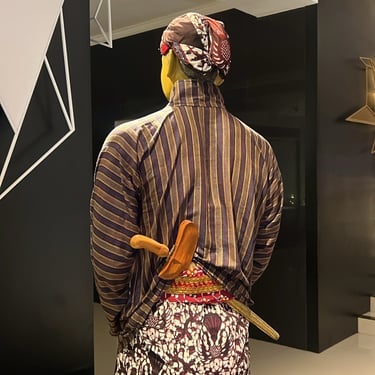
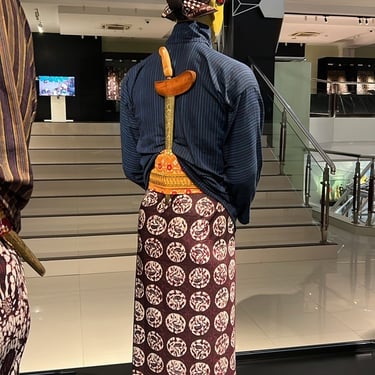
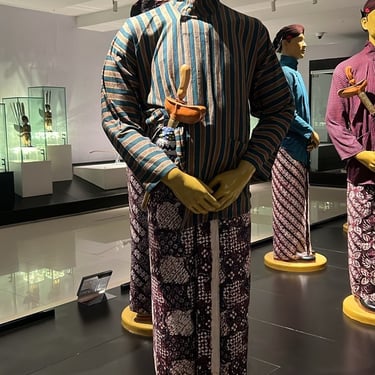
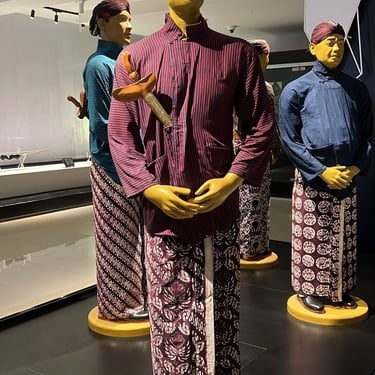
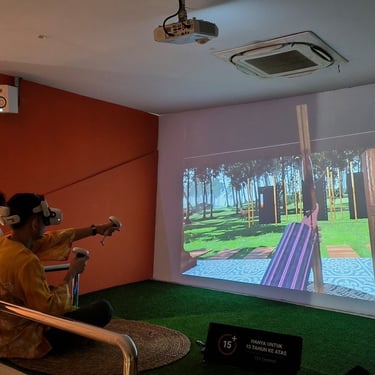
They also have various batik motifs, such as motif parang, kawung, and mega mendung, that carry specific meanings and philosophies. So, one must be careful when choosing batik designs because certain motifs may represent mourning or death. Subsequently, I was really enjoyed to try Augmented Reality glasses to hunt deers. Of six attempts, only one arrow hitted the target haha.
About an hour and a half later, we went to Vredeburg. The fort and its surrounding buildings were originally built by the Dutch and now function as a museum. The museum mainly presents the history of Indonesia’s struggle for independence, highlighting Yogyakarta as one of the major administrative centres alongside Jakarta.
We learned about the sacrifices made by many groups in fighting for the country’s independence, including prominent nationalists such as Soekarno, Hatta, and Soedirman, sumpah pemuda via youth movements (pemuda), women’s organisations (golongan ibu-ibu), ulama, and kings. I was amazed by the passion, tenacity, and courage demonstrated by the youth, who played a major role in shaping the future of Indonesia.
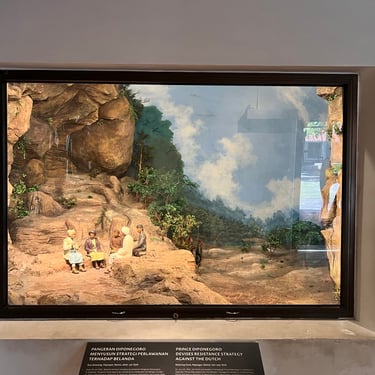
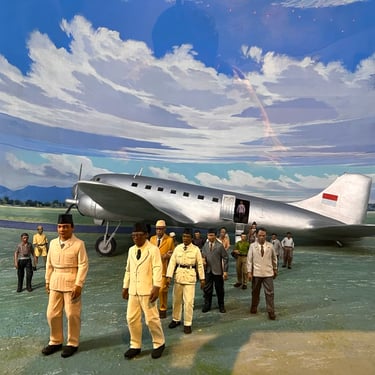
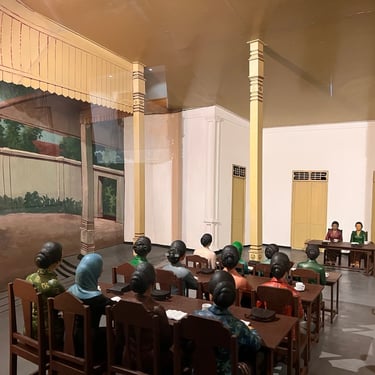
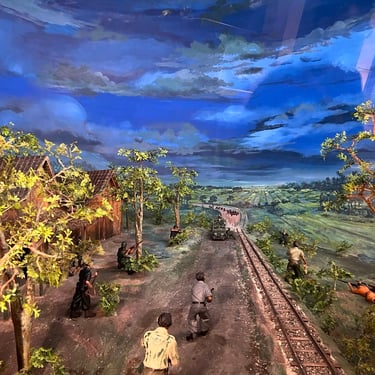
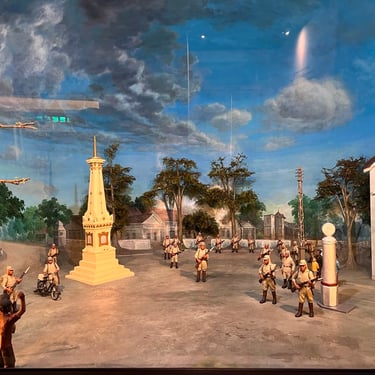
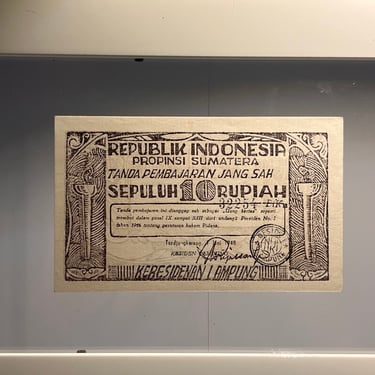
Overall, the museum’s graphic presentation was incredibly impressive. The displays cleverly used illusion and perspective, making visitors almost feel the energy and tension of the historical moments themselves. In fact, we did not even realise that we had spent nearly three hours there.
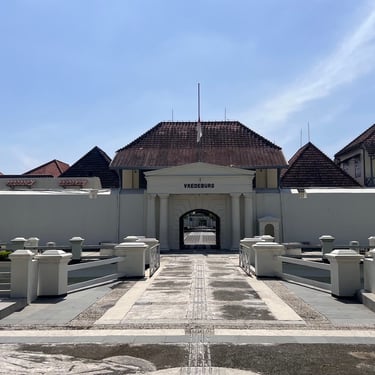
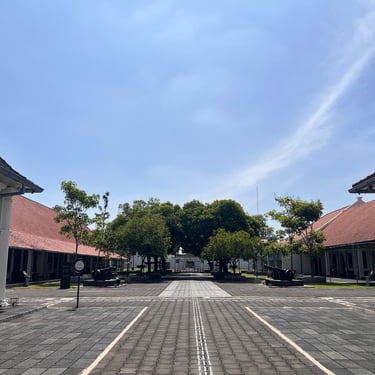
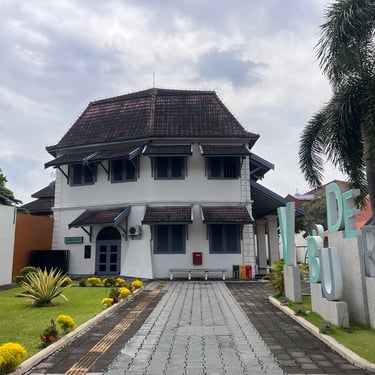
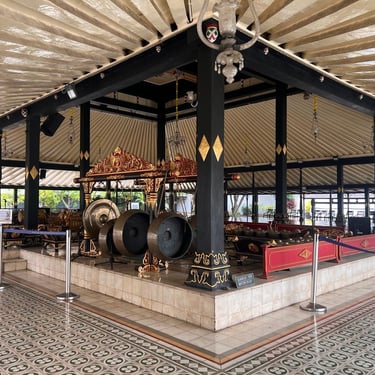
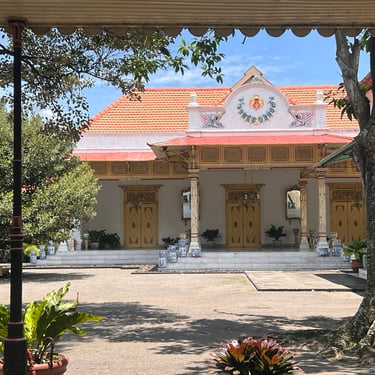
The weather was extremely hot, and on top of that, we were fasting. The half day felt exhausting, but we remained unstoppable. We continued our visit to the Keraton, the Sultan’s residence. The palace was welcomed with the Buto Kala, a protective symbol often placed above entrances and transition spaces, believed to ward off evil spirits and keep time. The site also featured musical instruments, elevated gathering spaces, royal costumes, and various artefacts related to the Sultan’s daily life.
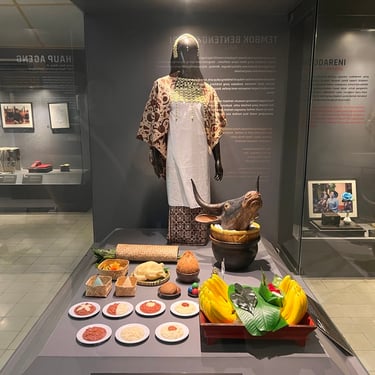
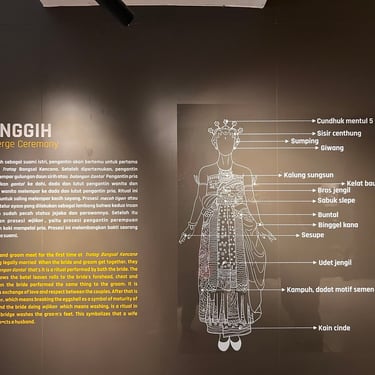
The ground surface was covered with sand, and the area was guarded by the penjaga istana (Prajurit Keraton) wearing traditional baju lurik uniforms. To be honest, I could not fully absorb the information at that moment because the weather was too hot. I just quickly snapped photos displaying important information about the royal costumes, meals and hantaran. Before continuing our exploration, we paused for a while under a shady tree to rest.
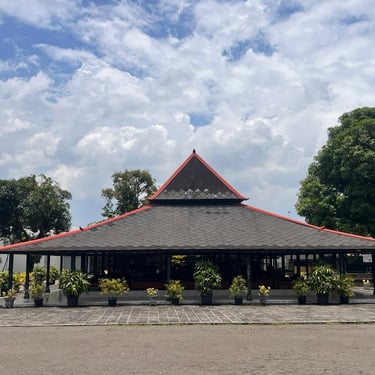
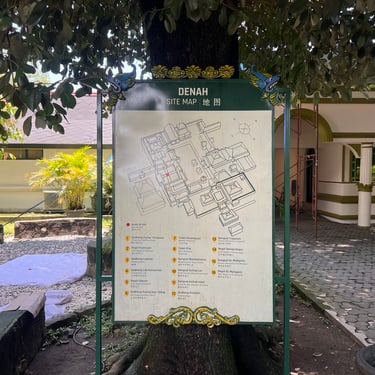
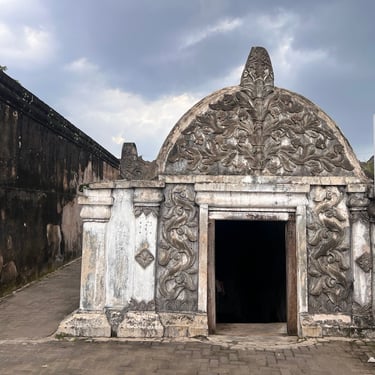
We then proceeded to Taman Sari, located just next to the Keraton. Taman Sari is a former royal bathing complex for the Sultan’s family. The site consists of three main pools, separated by a central tower, along with decorative vases, enclosed walls, and two main entrances.
It is believed that in the past, the Sultans would stand in the tower to observe the concubines bathing. They would then throw a flower down, probably a Rose, and whoever caught it would be invited to bathe with him in a selected pool. Each pool was designated for different groups, including concubines, wives, and the Sultan himself. Royal bathing was one of the leisure water activities commonly associated with Malay and Javanese royal traditions, reflecting both luxury and structured court life.
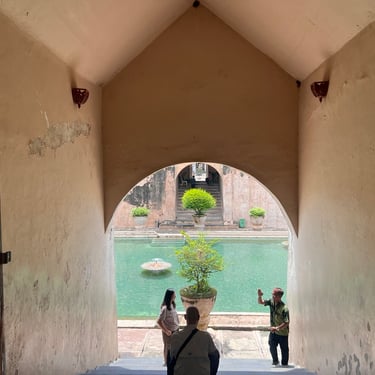
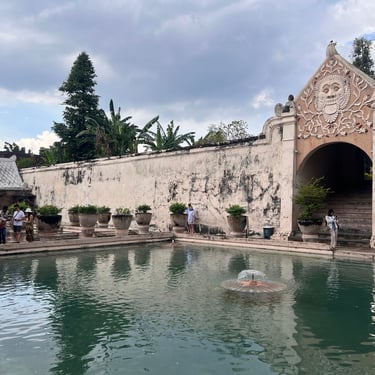
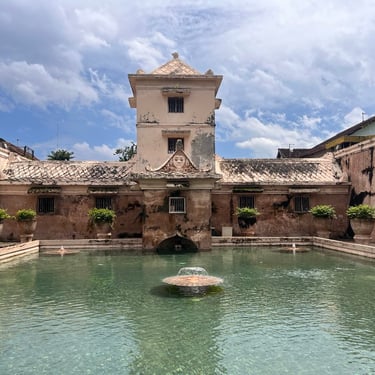
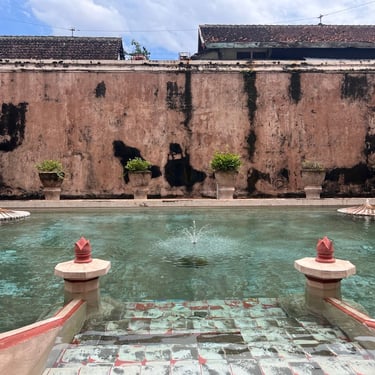
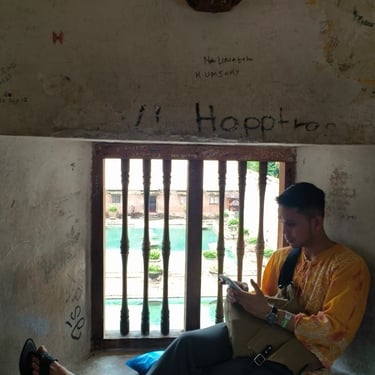
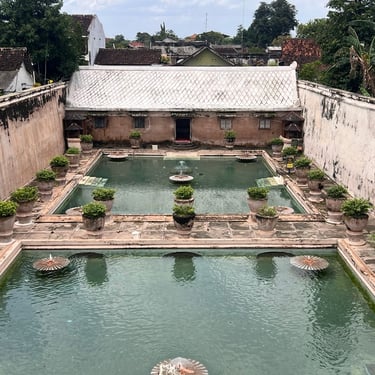
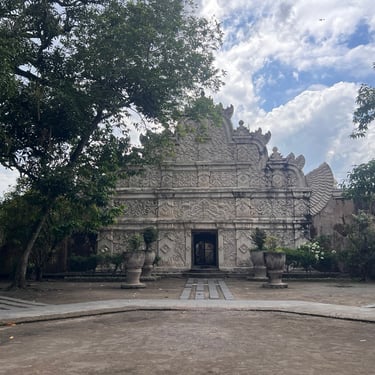
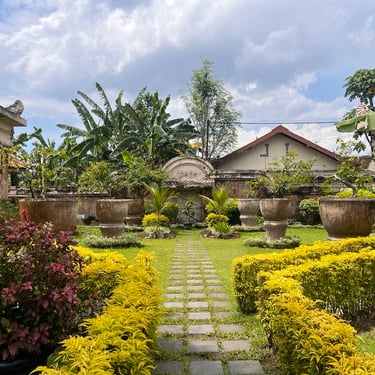
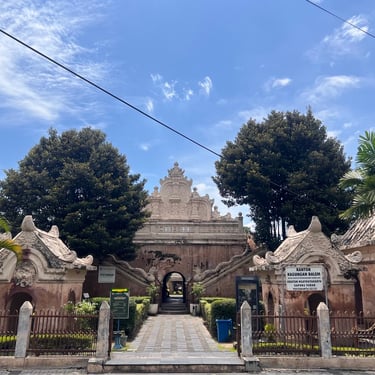
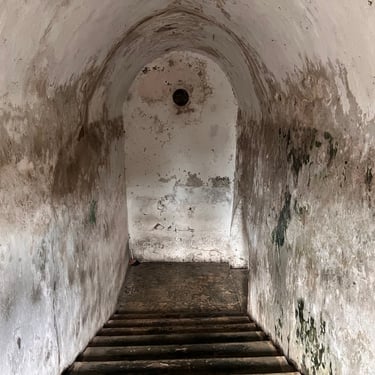
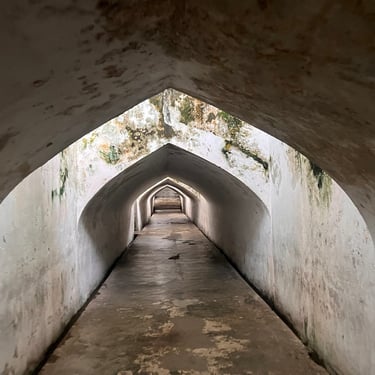
Taman Sari also featured several other entrances that led to underground tunnels. Unfortunately, we were unable to access the underground mosque. These spaces mainly functioned as protective passages and water channels. Inside the tunnels, the ambience felt cool, dim, and mysterious.
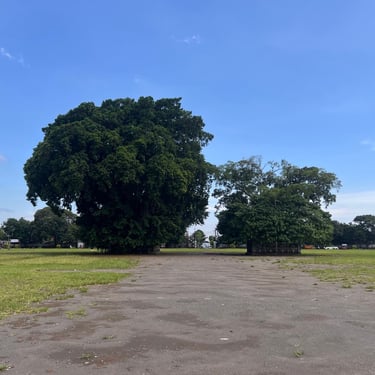
Approaching Asar time, we passed through Alun-Alun Selatan, a large open field marked by two prominent Banyan trees at its centre. The field forms a vast open square and connects to several key routes within the city. Around the field, a number of moveable stalls could be seen.
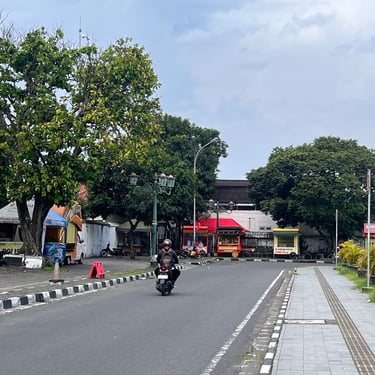
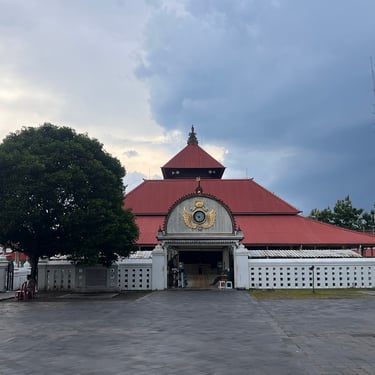
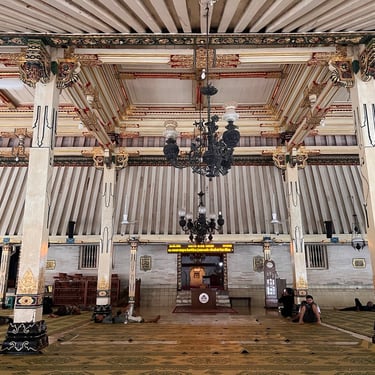
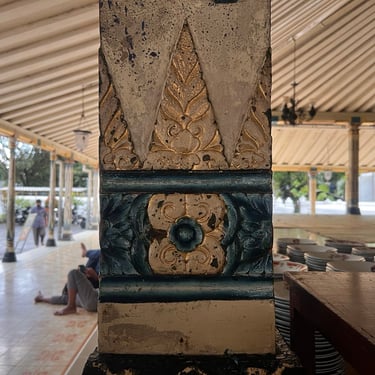
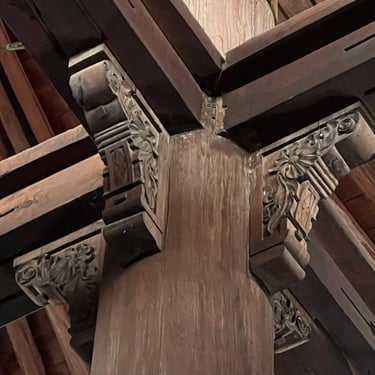
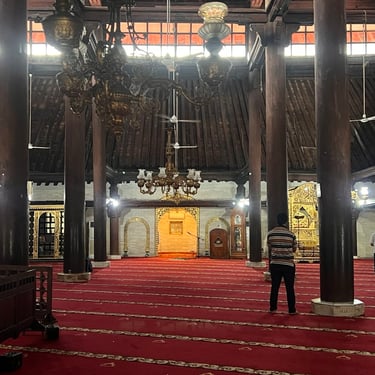
I then stopped at Masjid Gede Kauman to perform Asar prayer. While there, we observed its architecture and carvings, interior elements, and the surrounding atmosphere filled with worshippers. After finishing the prayer, we prepared to return to the hotel. We did our cleansing and got ready for iftar.
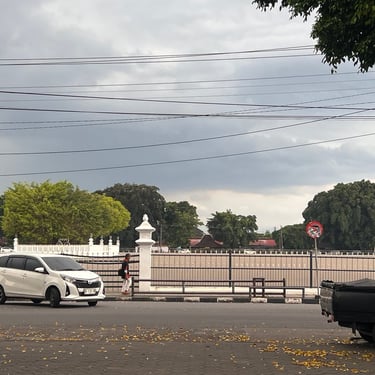
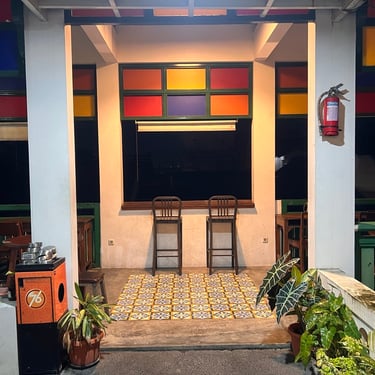
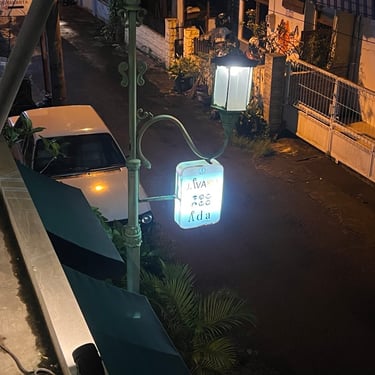
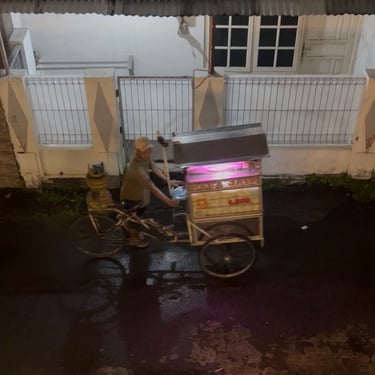
We broke our fast at Ada Café in Ngupasan, located along a row of terrace houses. Of course, we were extremely hungry, and I think my friend ended up ordering two sets of meals hahaha. The coffee was also really nice, and somehow it tasted even better while we were watching street hawkers on wheels passing by in front of us. We were very happy, discussing, and joking around throughout the dinner.
After that, we went for a night walk at Malioboro Street and headed back to the hotel, ending the day on a satisfying feeling.
© 2026. sentuhanzulkarnaen. All rights reserved.