Three Best Experiences in Yogyakarta
Toleransi Agama, Masjid-masjid di Jogja, and The People of Jogja
5/12/20264 min read
Throughout our journey in Jogja, three beautiful moments stood out the most to me: toleransi agama, the experience of visiting the mosques, and the warmth of the Jogjanians.
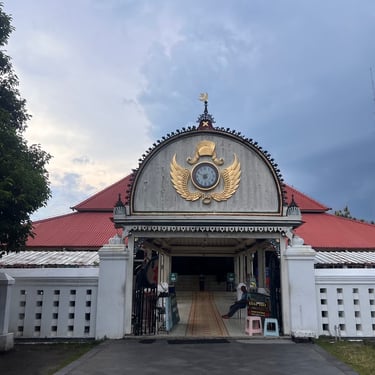
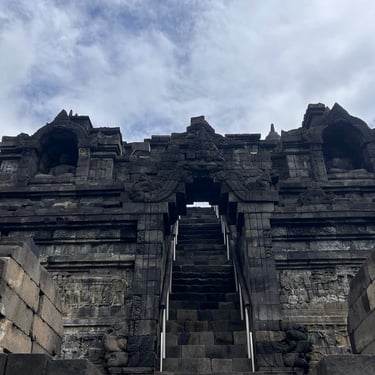
“Toleransi agama” was a phrase that truly stayed in my mind during and after visiting Yogyakarta. The people of Jogja were very tolerant towards one another despite their religious differences. I observed that they tended to represent themselves more as orang Indonesia rather than orang Melayu, orang Islam, orang Kristian, orang Hindu, or orang Jawa. It may be unfair for me to judge the overall perpaduan of their society based only on a short trip, but throughout my visit, I did not sense any issues related to race or religion. The people appeared happy, open, and welcoming.
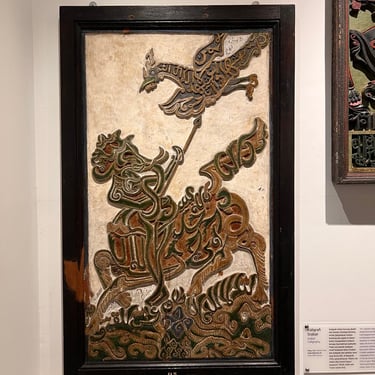
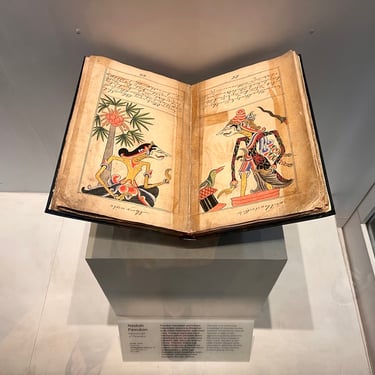
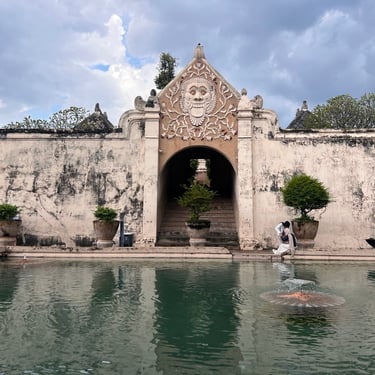
In terms of art, unlike in Malaysia, where figurative drawings involving animals or humans are often rejected as artistic subjects, art in Jogja is exceptional. The people appreciate these elements as part of their identity development. Although most of them are Muslims, the artists combine animal figures with floral patterns, interpret images of angels, and even incorporate the name of Allah with arabic calligraphy into their artworks and architecture. Some famous figures are Buto Kala, Hanuman, Garuda, and Semar. These patterns and figures were popularly influenced by Hinduism and Buddhism, which were once embraced by the majority of the population. As a result, they tend to appreciate and preserve these artistic traditions rather than discard them.
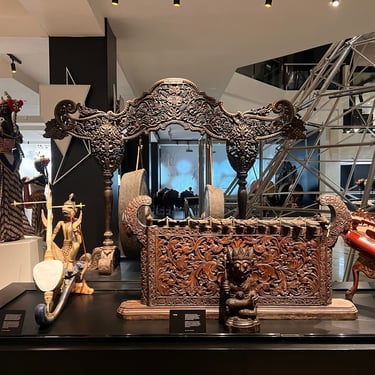
There was a moment during my visit to a museum where I saw a keranda used for carrying a Muslim king, adorned with images of four angels, flora, and animals. Additionally, such figures commonly appear in batik art, painting, and decorations at buildings and universities.
We also experienced this spirit of tolerance one evening when we booked a Grab car and headed in separate directions: Ricky went to a church for an evening class, while I went to Masjid Gedhe Kauman to join the congregation for iftar. The driver was a woman who at the beginning seemed to be Muslim and Malay because she wore her tudung impeccably. When she dropped my friend at the church, she asked me why I was not following him. I explained that I was Muslim and needed to go to the mosque. My friend was also fasting but had decided to attend a class for about two hours. We planned to break our fast together after the class, so while waiting, I intended to join the Muslim congregation for iftar.
She seemed surprised by our mutual understanding. Then, she shared that she herself demonstrated tolerance by wearing a scarf even though she was Catholic. At that moment, I was shocked because I had initially assumed that she was Muslim. She added that she wore the scarf for keamanan during Ramadan. It is difficult to fully describe the joy I felt witnessing such beautiful interreligious tolerance. It made me realise that everything becomes more beautiful and meaningful when individuals are able to respect one another sincerely, without expecting recognition or credit in return.
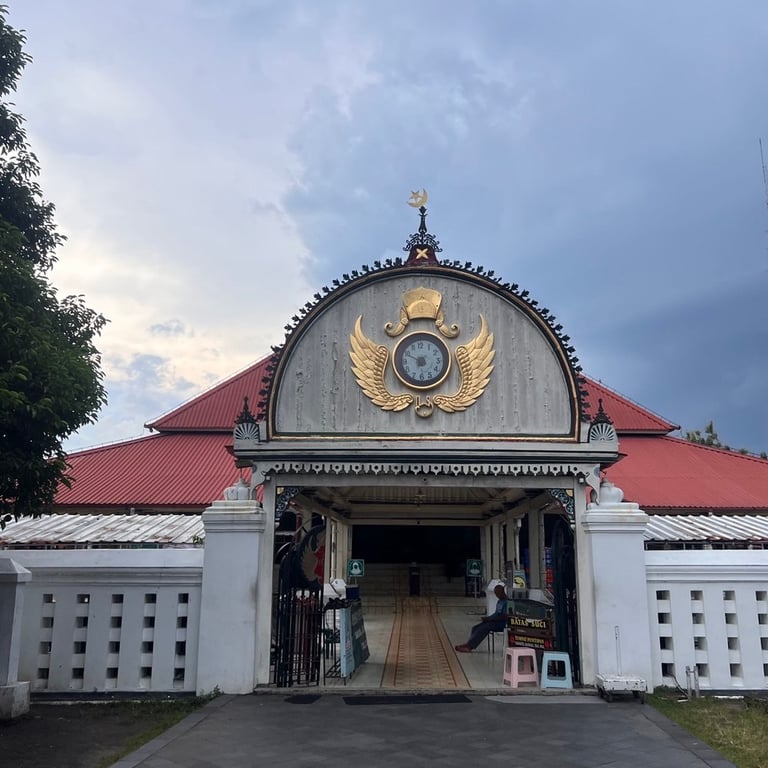
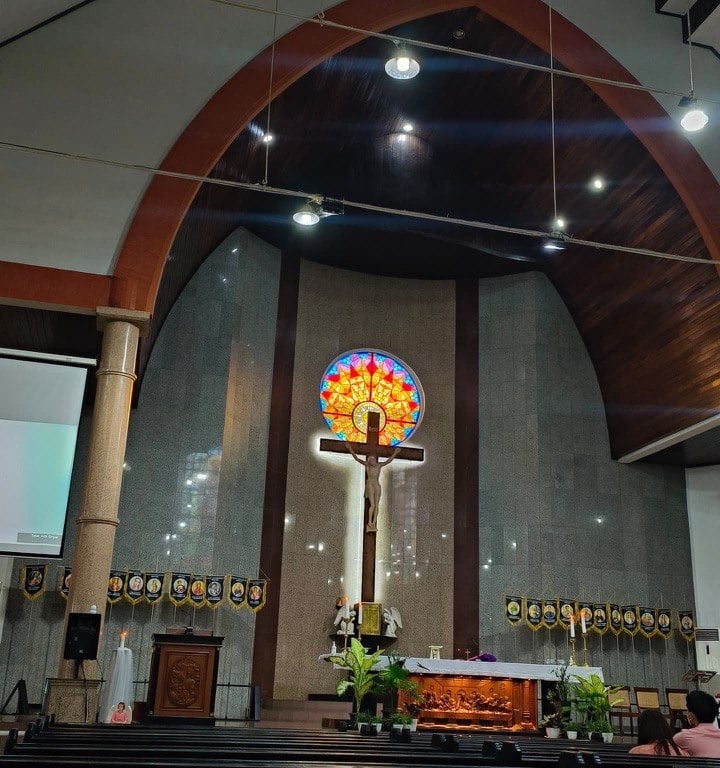
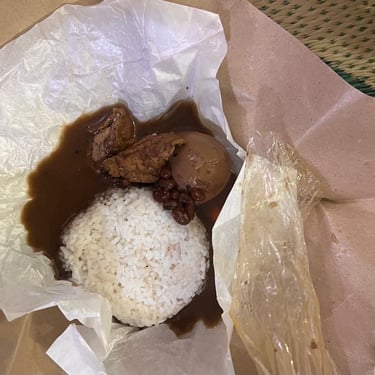
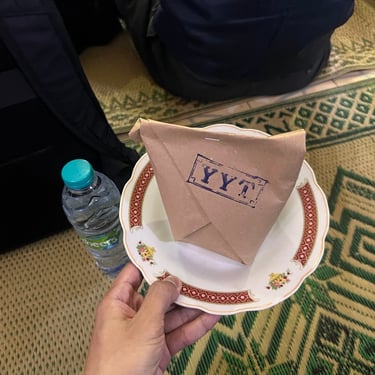
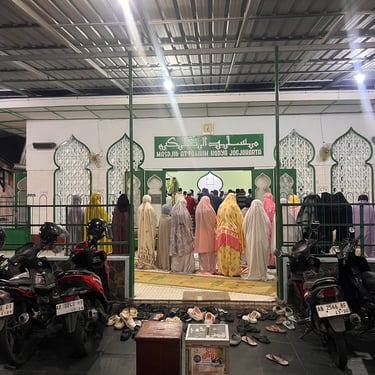
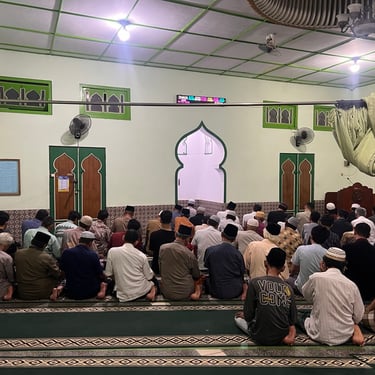
Apart from this, I also loved every visit to the surau and mosques in Yogyakarta. I went to Masjid Gedhe Kauman three times and had the chance to join the local community in breaking the fast together. Before iftar, we listened to a ceramah delivered by an ustaz. We were served a local dish called Nasi Bacem, consisting of egg, beans, tauhu, and kuah. The food was very delicious despite its simplicity. The iftar atmosphere itself was also beautiful, where the Muslims looked joyful, content, and thankful even though they were served moderate food without redundant dishes. I would say that joining the iftar there was probably one of the best moments I experienced in Jogja.
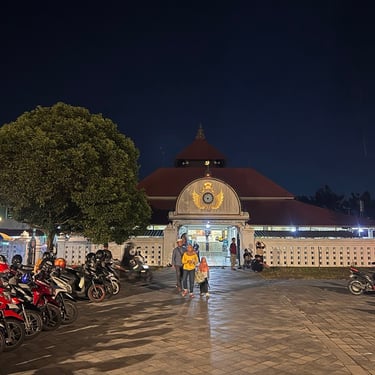
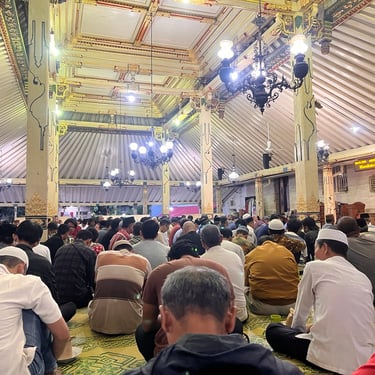
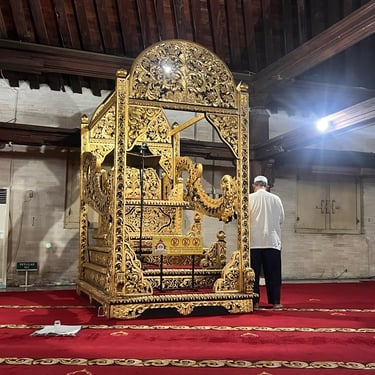
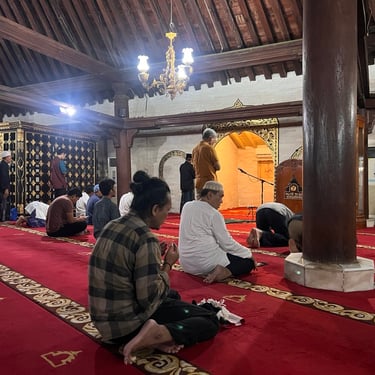
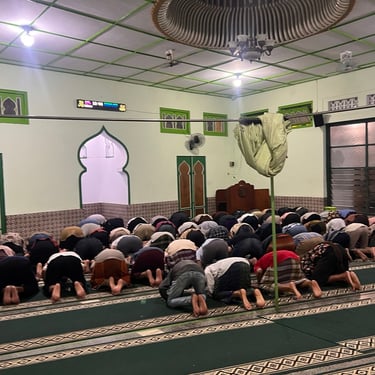
Some of the other mosques I visited were Masjid Gedhe Mataram, Masjid Attaqwa Kotagede, Masjid Attahkim Kodya, Masjid Al Wahhaab, and Masjid Soko Tunggal. I performed my jamak prayers and tarawih at these mosques. After every prayer, the imam would not recite the zikir loudly, and instead, we recited it individually rather than following the imam collectively. To be honest, I preferred this style compared to the usual practice of reciting zikir aloud after prayers in Malaysia.
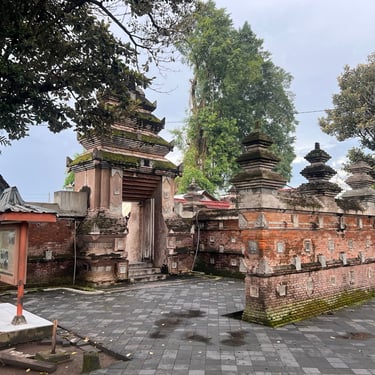
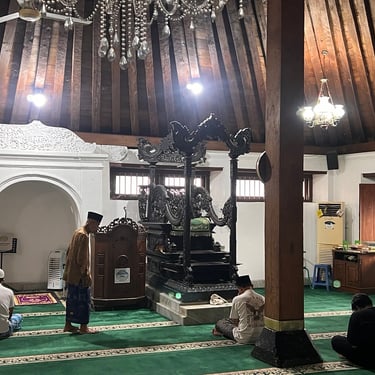
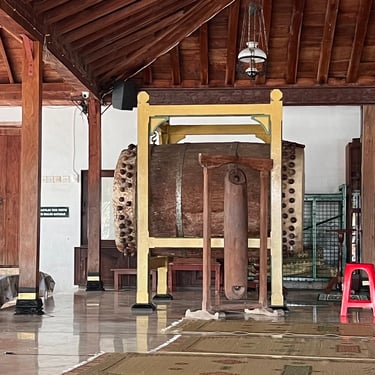
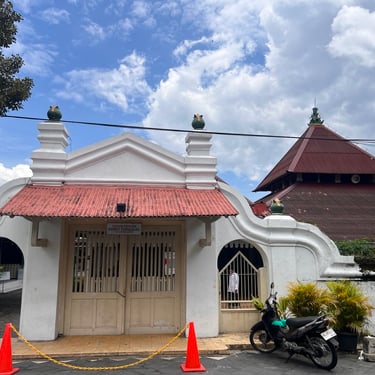
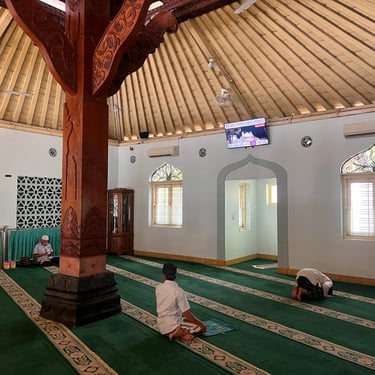
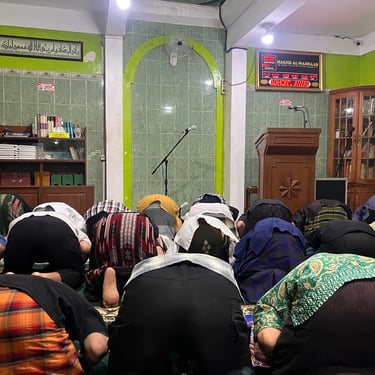
At Masjid Attahkim Kodya, I experienced a unique style of tarawih prayer, where they did not perform the prayer every two rakaat, but combined them into four rakaat at a time. For the witir prayer, all three rakaat were performed continuously as well.
The last interesting aspect of the city was the people themselves. On the one hand, some people in Jogja portrayed behaviours that I personally considered improper, such as not fasting and even smoking openly in public places during Ramadan. Some were drinking while playing chess, while others casually sat at restaurants or warung for lunch and breakfast. I was informed that Muslims there are divided into various tarekat groups with different religious practices and interpretations. Some believe that smoking is permissible and does not invalidate the fast.
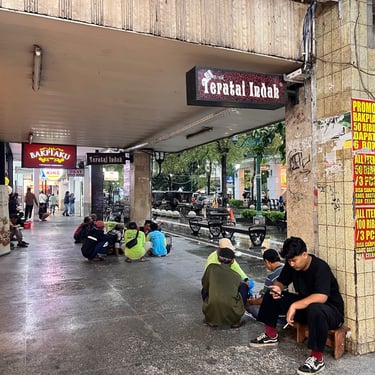
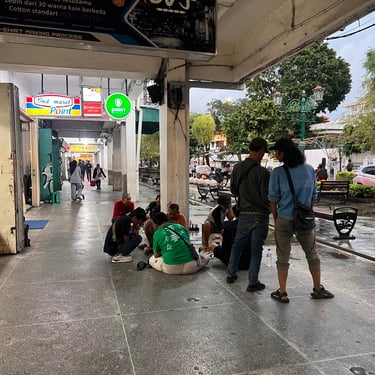
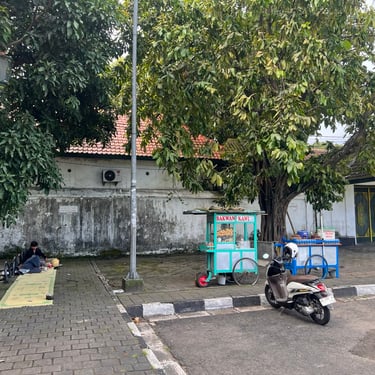
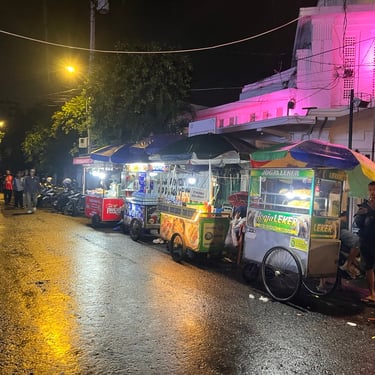
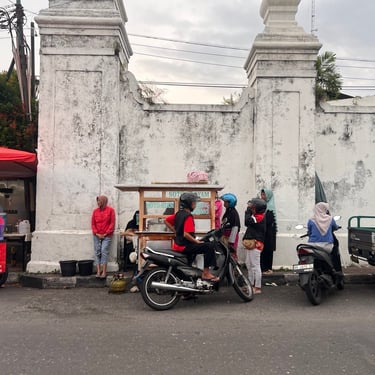
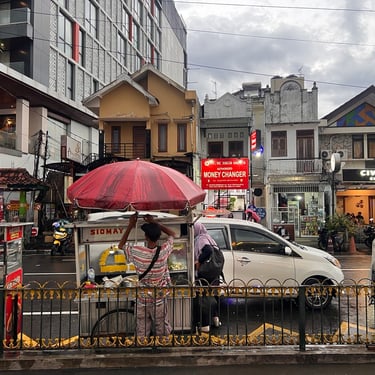
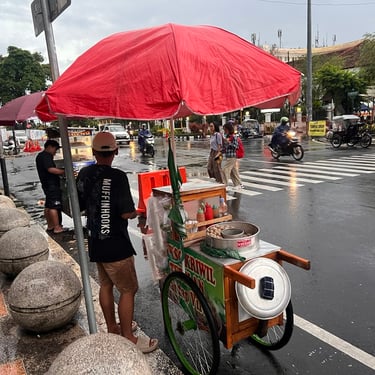
On the other hand, one positive aspect I noticed was that people rarely begged, as everyone seemed to struggle in their own ways to make a living. Instead, they preferred to sing along the roadside, sell various types of food, such as soto ayam, bakso kriwil, instant drink, and leker, on simple floor setups, or offer services such as tattoos, massages, and artwork without proper commercial settings. Visitors might question the hygiene standards, but the local community is deeply accustomed to such practices. As a visitor, one has the choice either to support or not, but complains would not be a matter because these practices have become part of the city’s cultural identity.
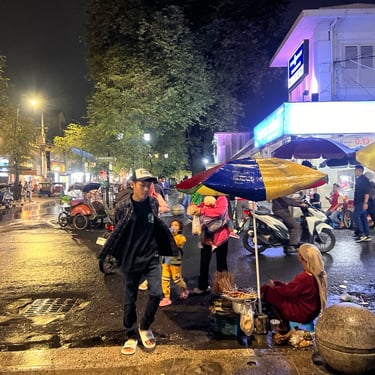
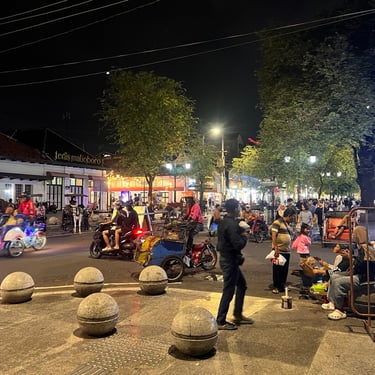
In terms of dress up, the people of Yogyakarta appeared very moderate and simple in their style. Many wore sarung, songkok, three-quarter jeans, and T-shirts. On weekends, many families gathered around Malioboro Street, which seemed to function as the focal point of the city. To me, Malioboro Street is comparable to Jalan Alor or the Bukit Bintang area in Kuala Lumpur.
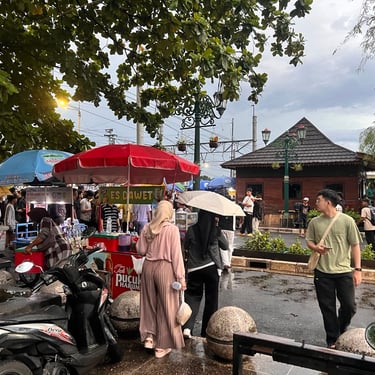
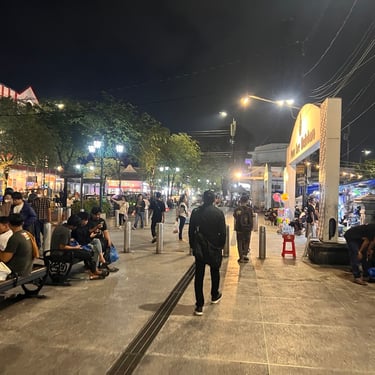
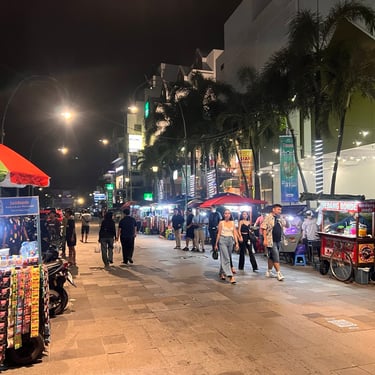
I truly loved the street and the entire city of Jogja. I hope that in the next two decades, I will return once again and, perhaps, become part of the city itself. See you again Jogja!
© 2026. sentuhanzulkarnaen. All rights reserved.