Chaotic Bangkok, Yet Its Landscape Design Wins
6 Days 5 Nights in Bangkok - A Last Minute “Gifts” and Cheerful Moment
Muhammad Zulkarnaen Bin Mohd Zaine
9/18/20254 min read
Assalamualaikum. I went to Bangkok for an international tour organised by the office, with participants mainly from a landscape architecture background. We spent four days on site visits and two additional days for personal time. We landed at Don Mueang International Airport and travelled to the hotel by van.
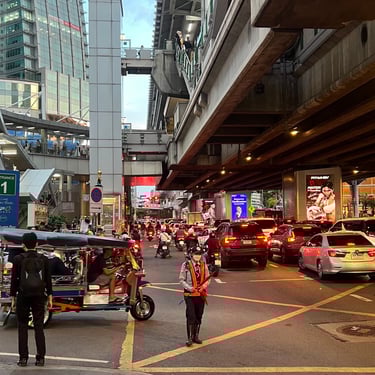
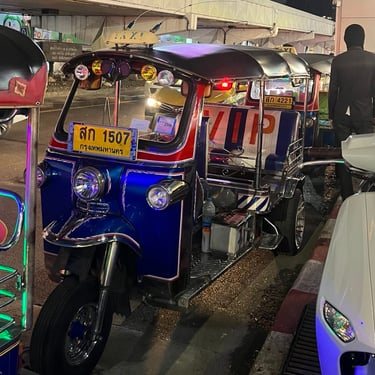
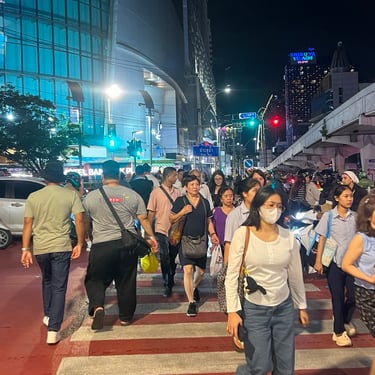
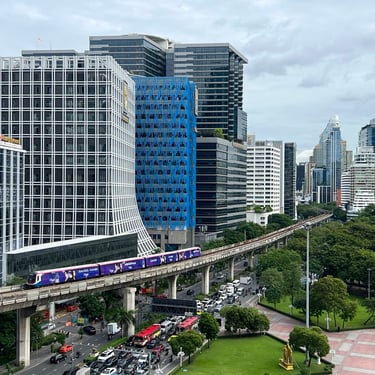
My first impression of Bangkok was its heavy traffic. There were frequent gridlocks, constant honking, and the rough sounds of tuk-tuk exhausts. The streets felt busy and noisy. Despite that, I found charm in the street hawkers and colourful tuk-tuks that added character to the city. After about an hour, we checked into Manhattan Sukhumvit Bangkok Hotel. The hotel was surrounded by bars, restaurants, several 7-Eleven stores, tattoo and gadget shops, food stalls, and other tall hotels. We had dinner at The Platinum Fashion Mall, explored the adjacent area, and fully rested on the first day.
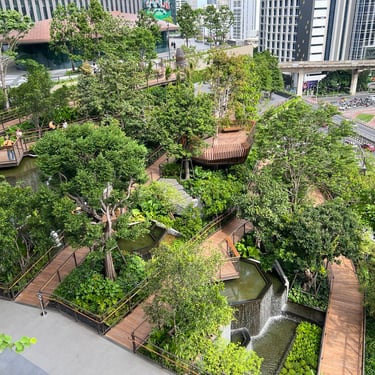
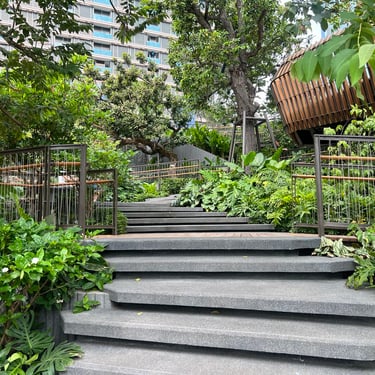
The main purpose of my visit was to explore urban parks that reflect innovation and unconventional design. We commenced with Dusit Central Park, a newly launched rooftop landscape project. Although relatively small, the design made creative use of slopes and layered walkways. It addressed spatial limitations while offering multi-level paths, terraced tropical planting, and a waterfall feature. Visitors could also enjoy panoramic view of the city from the rooftop space.
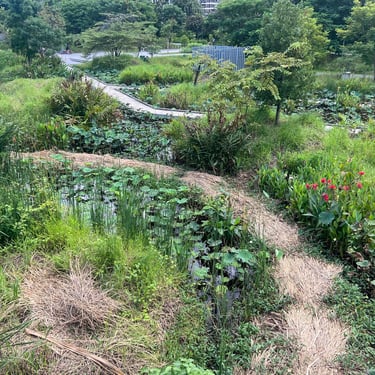
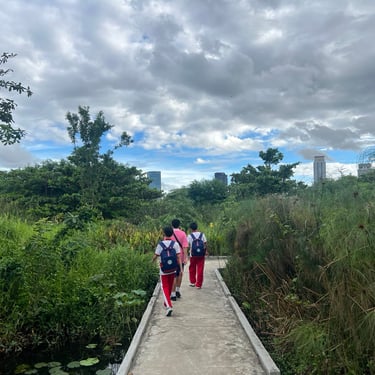
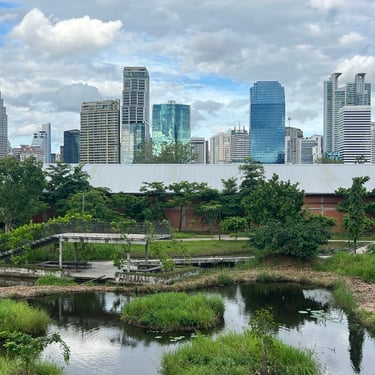
Later that day, we visited Benchakitti Forest Park, developed on a former military site and now functioning as a major green space in Bangkok. The park consists of about 30% water bodies and 70% greenery. It appears partly inspired by Central Park in New York. Initially designed as a “city sponge” to manage flooding, it also supports biodiversity. The park is large and divided into several zones, making it difficult to cover in one visit.
The next morning, we visited Nana Coffee Bangna, a modern cafe located beneath the highways. Beyond serving good coffee, the architecture stood out. The mostly white building separated indoor and outdoor spaces with multiple doors while maintaining visual connection through glass walls. Visitors could sit inside or outside on steel-crafted benches.
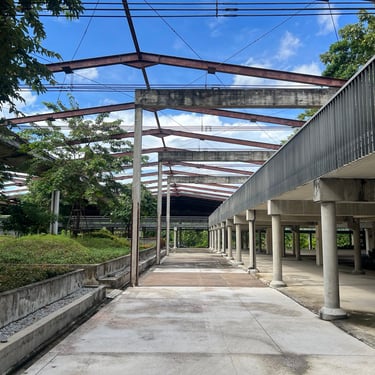
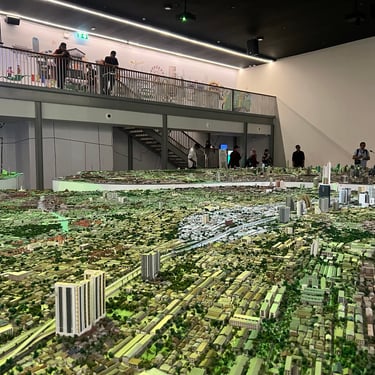
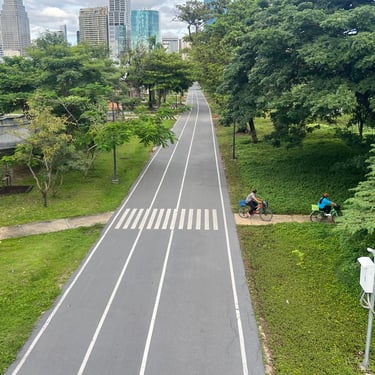
We began at a gallery in a brutalist-style building, which displayed a large city model built by students. It offered a detailed bird-eye view of Bangkok’s urban form. As we continued walking, I appreciated the varied-level walkways that framed both city and nature views. The atmosphere was calm, with students taking graduation photos, couples spending time together, and people jogging and cycling. The planting design was diverse and arranged in a naturalistic manner. One feature I particularly inspired was the use of dried foliage as an alternative pathway surface, it was simple and organic.
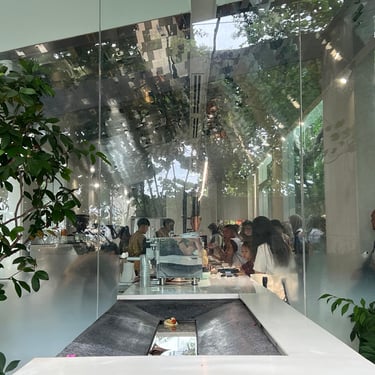
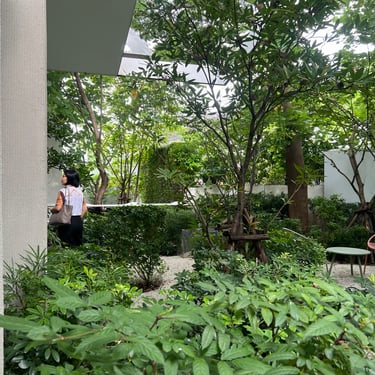
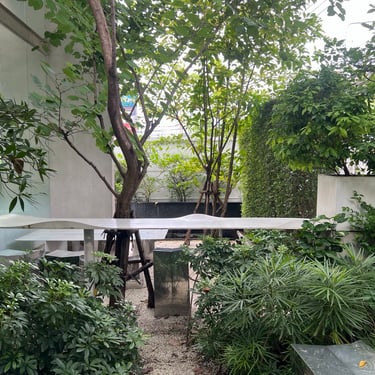
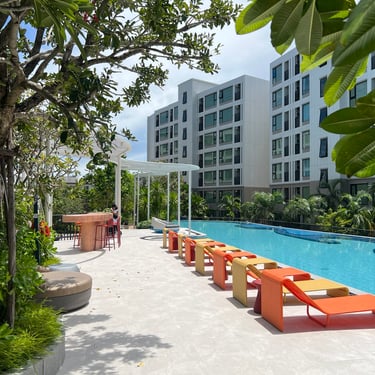
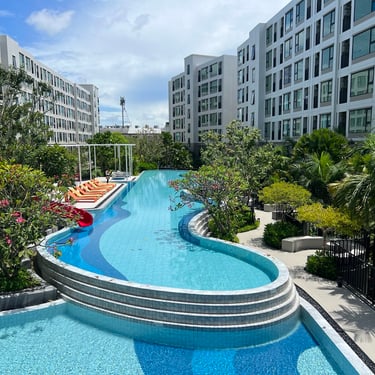
Before lunch, we toured Kave COCO Bangsaen, a condominium landscape project on the outskirts of the city. The design was colourful and organic, especially around the swimming pool area. The landscape created a beach-like atmosphere, complete with a man-made island and comfortable seating areas. Some participants argued that it would be difficult to replicate their curving design in Malaysian projects haha.
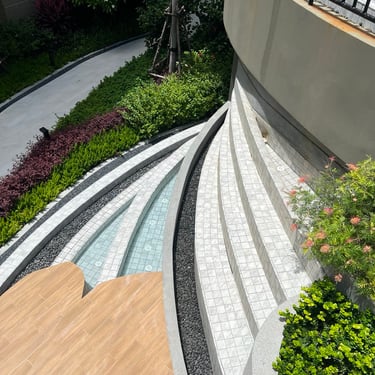
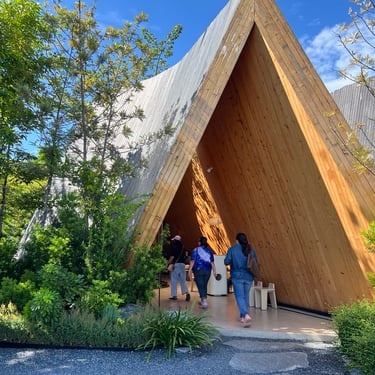
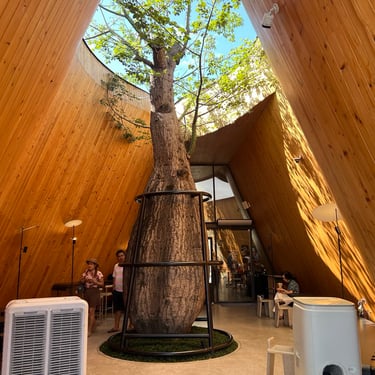
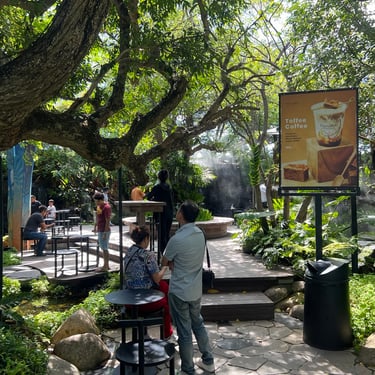
Later, we visited Harudot Chonburi Coffee. The cafe integrates indoor and outdoor spaces thoughtfully. The outdoor setting resembled a small forest, with lush planting, gentle water sprays, and the sounds of waterfalls and birds. The atmosphere was calm and suitable for relaxing with desserts and coffee.
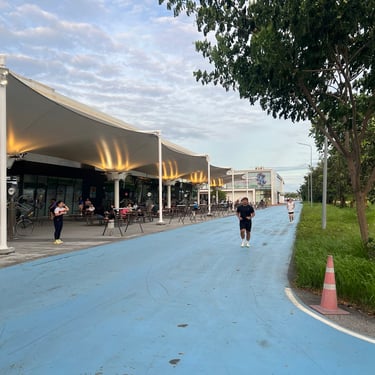
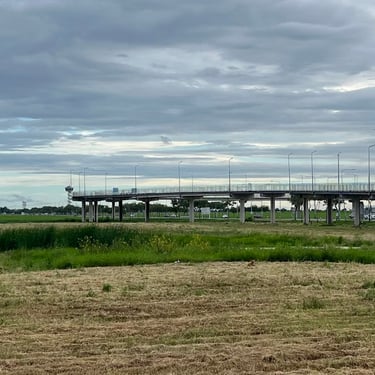
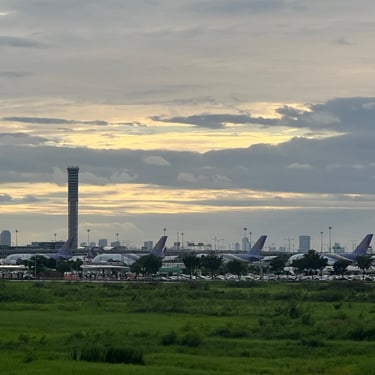
In the evening, I went to Happy and Healthy Bike Lane near Suvarnabhumi Airport. The elevated walkway connects the park to the airport while serving as a jogging and cycling route. Watching airplanes land while walking was a unique experience. I hope similar ideas can be implemented in Malaysia, perhaps in Dengkil and Sepang.
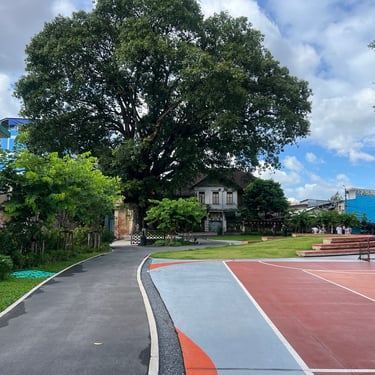
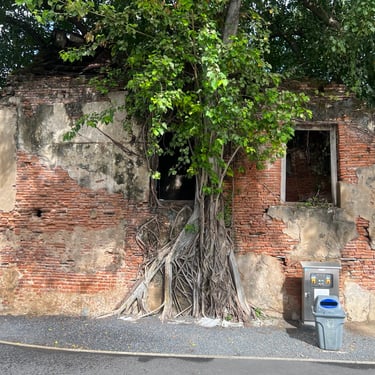
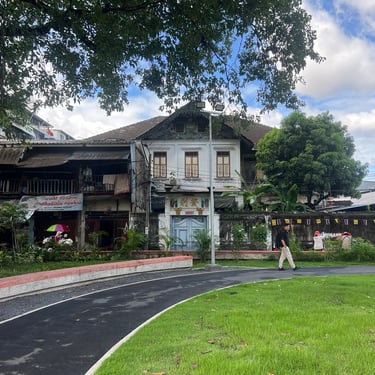
On the third day, we visited two community parks. The first was Suan San, a small reclaimed park serving the surrounding community. The park was very expressive, with tree roots growing freely, timber houses showing strong authentic character, and pathways connecting directly with kitchens and living rooms, and overall, it felt as if the community was living within the park. Although limited in size, it provided inclusive spaces for jogging, mini soccer, and playground activities; we even saw a child happily playing soccer with his brother. Located in a lower-income residential area, the park contributes positively to equal access to recreational spaces, highlighting the role of landscape architects in promoting wellbeing, sustainable communities, social justice, and reduced inequality. I hope to see more parks like Suan San in Malaysia, especially in rural areas, to provide accessible, inclusive, and community-focused green spaces.
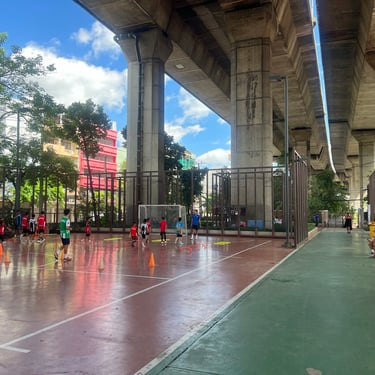
The second was Lankila Pat 2, developed beneath highways. Despite traffic noise, the space was active with children and adults playing futsal, basketball, and tennis. Instead of becoming neglected space, it has been transformed into a functional sports area. This approach improves social interaction and enhances the surrounding neighbourhood.
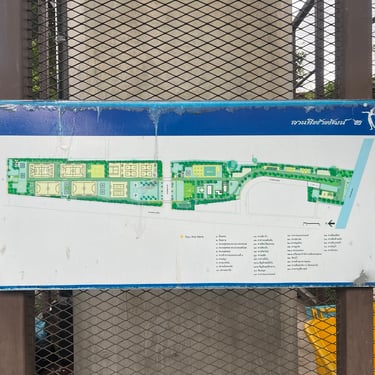
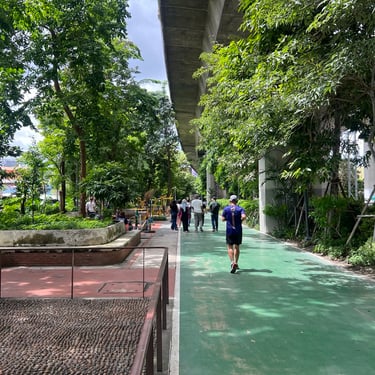
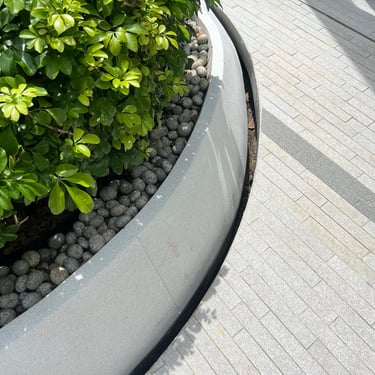
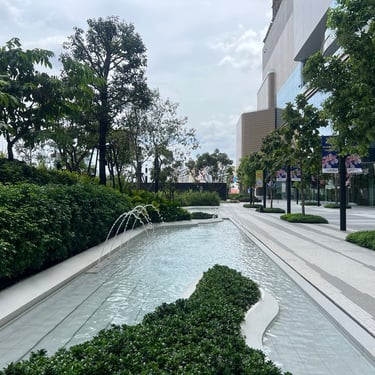
The following day, I visited One Bangkok, a shopping mall integrated with open green space. Similar to TRX in Kuala Lumpur, it presents a modern design and offers space for relaxation. However, the area could benefit from more shade trees, as limited planting results in stronger exposure to sunlight and create discomfort.
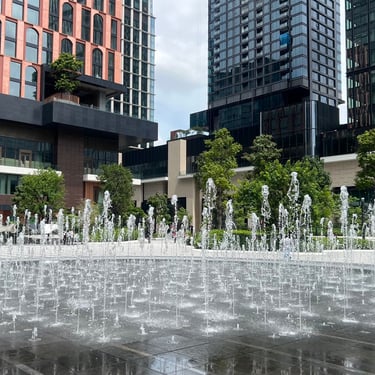
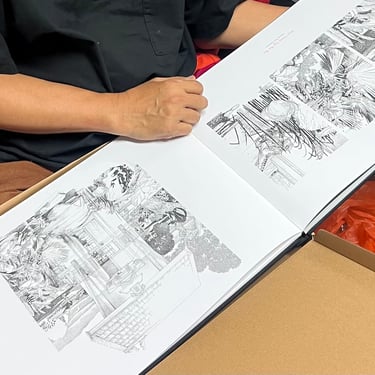
For the final two days, I focused on personal time. I explored the streets, enjoyed the nightlife, and met new friends from a local landscape consultancy firm. They invited us to visit their office, where I learned about their past and upcoming projects and viewed impressive sketchbooks produced since the Covid-19 pandemic era. I bought two sketchbooks for reference and collection and honestly wished to buy more because the drawings were top-notch. The line strokes, composition, colours, and sense of spontaneity and confidence truly deserve praise. Compared to my own work, I really take my hat off to the drawing skills and talent.
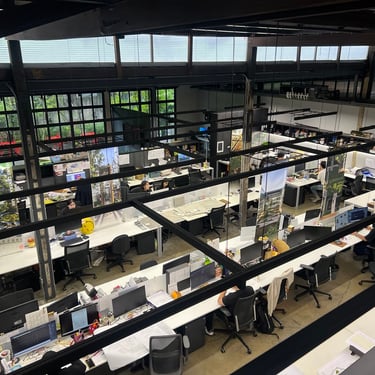
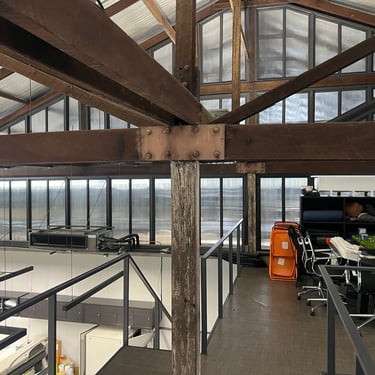
We were also treated to dinner by them at a Muslim restaurant and later at a Thai dessert cafe. We shared food and conversations, which made the experience both enjoyable and meaningful.
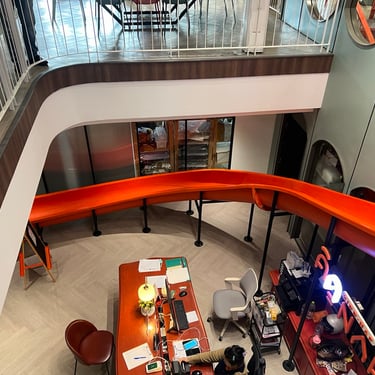
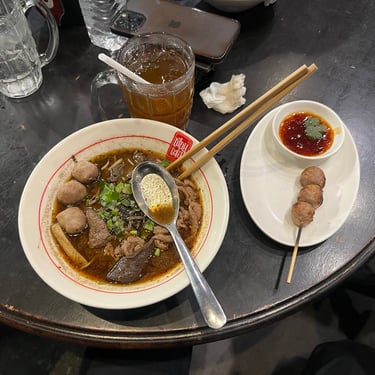
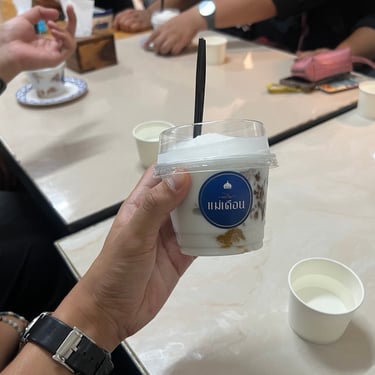
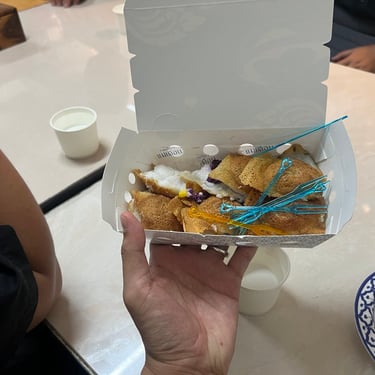
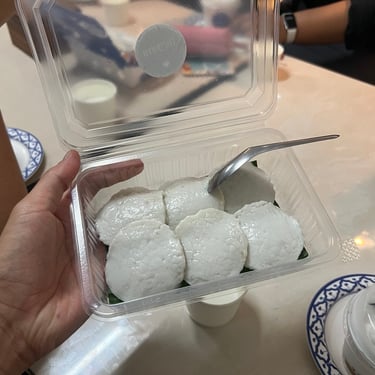
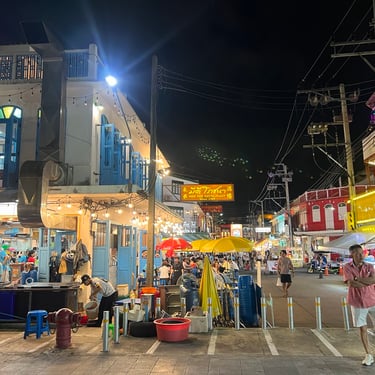
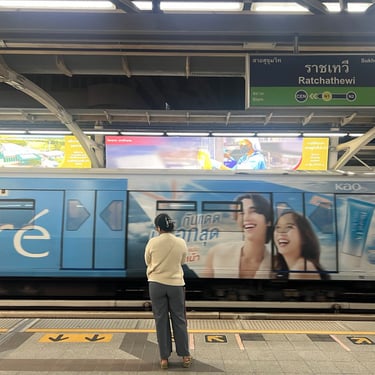
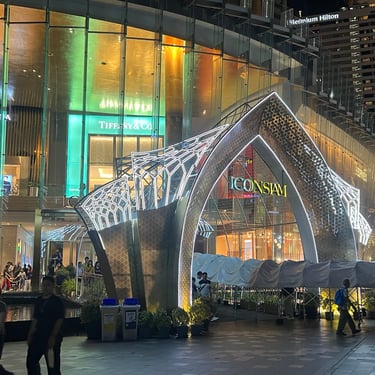
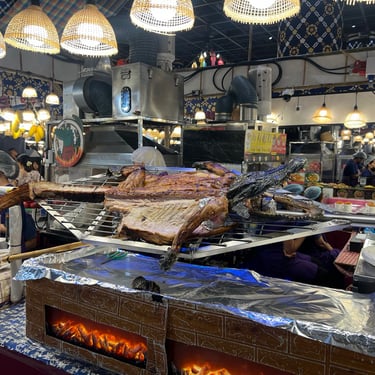
Other activities included taking the train at night, watching the fountain show at Icon Siam, trying Siam fast food, visiting malls and galleries, and spending time at cafes. Worth to mention, finding prayer rooms or mosques in Bangkok can be challenging, so proper planning is important.
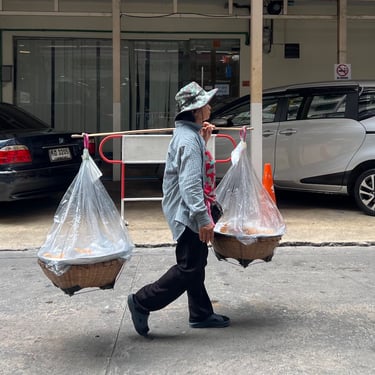
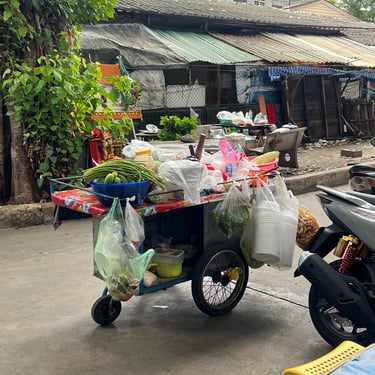

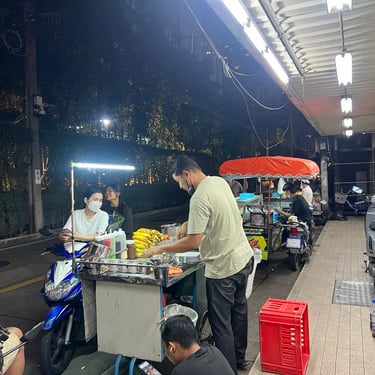
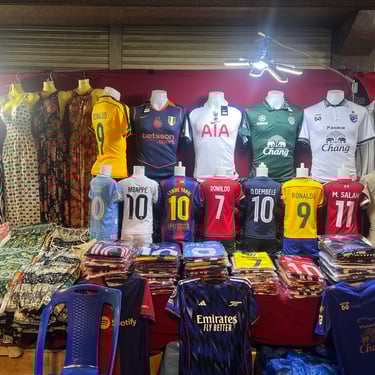
I left Bangkok on 24th September 2025. I was so tired and started to miss Malaysian cuisine haha. To conclude, visiting Suan San Park and purchasing the two sketchbooks were the most satisfying parts of my trip. Tuk-tuks, unruly traffic, and stalls were the “colours” of the city. Thank you for reading.
© 2026. sentuhanzulkarnaen. All rights reserved.